
Chemotherapy: Important Precautions and Side Effect Management Guide
Medical Supporter — Avis d’information
Cet article est une synthèse d’informations médicales internationales et ne constitue pas un avis médical ; il ne remplace pas le diagnostic ni le plan de traitement de votre médecin traitant. Les informations présentées sont compilées à partir de publications publiques et de déclarations officielles d’établissements médicaux japonais ; l’adéquation et les résultats de toute thérapie varient selon chaque patient et doivent être évalués individuellement par un médecin qualifié.
- March 17, 2020
- 4 min read
Updated: March 25, 2020
I. What Is Chemotherapy?
Chemotherapy uses chemical agents administered orally or by injection to inhibit the growth and proliferation of cancer cells, thereby controlling and slowing disease progression. These drugs target not only cancer cells but can also affect normal cells — however, most effects are reversible.
II. Precautions During IV Chemotherapy Administration
(i) Before treatment begins: Healthcare staff will explain the treatment course, side effects, and how to manage them.
(ii) Preventing drug extravasation: IV administration is the most common route for chemotherapy. Some agents are irritating and can cause skin and tissue damage if they leak from the vein. Please follow these guidelines:
- Before infusion: Use the restroom before treatment begins.
- During infusion:
- Avoid pulling, compressing, or lying on the injection site.
- Do not overextend or abduct the arm receiving the infusion.
- Do not leave the room during infusion; notify nursing staff if you need to leave for tests.
- If you feel stinging, burning, pain, redness, or swelling at the injection site, notify nursing staff immediately.
- If the needle dislodges or infusion fluid leaks, notify nursing staff immediately.
(iii) If any adverse reaction or acute side effect occurs — such as nausea, vomiting, or difficulty breathing — inform nursing staff promptly.
(iv) If vomiting occurs immediately after taking oral chemotherapy, consult your physician about whether to take a replacement dose.
(v) Do not chew, crush, or open oral chemotherapy tablets or capsules. Use gloves or pour directly into a medicine cup to avoid skin contact. Wash hands after handling.
(vi) Store oral chemotherapy at home as instructed, in a location out of reach of children.
III. Common Side Effects and Management
Different chemotherapy drugs produce different side effects, and not all occur with every treatment cycle. Most side effects gradually resolve after treatment ends.
(i) Nausea and Vomiting
- Eat small, frequent meals; choose bland foods. Avoid sweets, greasy foods, high-salt foods, and spicy foods.
- Try to stay relaxed during treatment — listen to music, read, or practice acupressure.
- Maintain good oral hygiene after vomiting.
(ii) Diarrhea or Constipation
Diarrhea:
- Drink plenty of water, juice, and soups to prevent dehydration.
- Eat low-fiber foods such as rice porridge, noodles, and toast.
- Use antidiarrheal medication as needed; warm sitz baths can maintain anal mucosal integrity.
Constipation:
- Eat high-fiber foods: oranges, peaches, pears, vegetables, oatmeal.
- Drink adequate fluids unless fluid restriction is ordered.
- Exercise as tolerated (e.g., walking); maintain regular bowel habits.
- Use stool softeners for hard stools; warm sitz baths may relieve anal discomfort.
(iii) Low Blood Cell Counts (Risk of Infection, Anemia, and Bleeding)
- Wash hands frequently; practice good personal hygiene, especially before meals and after using the restroom.
- Avoid contact with individuals who have colds, chickenpox, or measles; limit time in crowded public places; wear a mask when going out.
- Keep the indoor environment clean; minimize clutter, and avoid fresh flowers.
- Avoid injuries that could increase infection risk.
- Eat fully cooked foods; avoid raw or undercooked items.
- Change positions slowly (e.g., from lying to sitting to standing) to prevent dizziness and falls.
(iv) Oral Ulcers (Mucositis)
- Examine your mouth daily using a flashlight, tongue depressor, and mirror.
- Brush teeth gently with a soft-bristle toothbrush after each meal.
- Rinse mouth every 2–4 hours to maintain oral moisture.
- Avoid rough, very hot, very dry, or irritating foods (e.g., very spicy, very sour, or deep-fried foods).
- Avoid smoking and alcohol; eat foods rich in protein and vitamin C.
(v) Hair Loss (Alopecia)
- Consider trimming hair short before treatment to minimize the visual impact of hair loss.
- Hair loss is temporary. Handle hair gently; use mild shampoos. Avoid dyes, hairsprays, and perms.
- Wigs, scarves, hats, or other hair accessories are appropriate options.
(vi) Hand-Foot Syndrome (Palmar-Plantar Erythrodysesthesia)
Symptoms include tingling, numbness, and redness, swelling, and pain on the palms and soles.
- Apply moisturizing cream twice daily.
- Wear cotton socks or soft-soled shoes.
- Avoid prolonged standing or uneven pressure on the feet.
(vii) Fatigue
- Get adequate rest and conserve energy.
- Exercise appropriately as tolerated.
- Gentle massage to promote circulation and improve comfort.
Chemotherapy is a necessary part of cancer treatment. Patients and caregivers must understand all aspects of home care to reduce caregiver burden and maintain a better quality of life.
Cancer Care
- (Non-small Cell Lung Cancer, Gastric Cancer, Pancreatic Cancer, Colorectal Cancer) ADLUMIZ — Japan's first drug proven to improve cancer cachexia symptoms.
- TearExo: Detect breast cancer from a single tear drop in as little as 10 minutes.
- (Cancer Care) Understanding Colorectal Cancer.
Medical Supporter was formerly certified as an international medical visa guarantor by Japan's Ministry of Foreign Affairs and the Ministry of Economy, Trade and Industry (B-066).
Vous envisagez des soins au Japon ? Besoin d’informations et d’aide ?
Nous vous aidons à rassembler les informations nécessaires pour un déplacement médical au Japon, à contacter les établissements japonais et à organiser une consultation de second avis.La première consultation est gratuite ; un conseiller vous aide à clarifier les prochaines étapes.
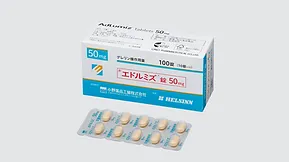 Figure 1
 Figure 2