
(Lung Cancer) ASCO: Lorlatinib Medication Information
Medical Supporter — Avis d’information
Cet article est une synthèse d’informations médicales internationales et ne constitue pas un avis médical ; il ne remplace pas le diagnostic ni le plan de traitement de votre médecin traitant. Les informations présentées sont compilées à partir de publications publiques et de déclarations officielles d’établissements médicaux japonais ; l’adéquation et les résultats de toute thérapie varient selon chaque patient et doivent être évalués individuellement par un médecin qualifié.
(Lung Cancer) ASCO: Lorlatinib Medication Information
- June 30, 2016
- 1 min read
At the American Society of Clinical Oncology (ASCO) Annual Meeting held in Chicago from June 3rd to 7th, Benjamin J. Solomon from the Peter MacCallum Cancer Centre in Australia presented information regarding a medication for non-small cell lung cancer (NSCLC). The drug, Lorlatinib, targets ALK and ROS1-positive cases. We provide the clinical trial data for your reference.
This medication was part of a Phase 1 dose-escalation clinical trial for patients who had received no prior treatment or had undergone one or more treatments with PTK inhibitors. The trial involved continuous daily administration of Lorlatinib (once or twice daily) at doses ranging from 10mg to 200mg.
As of January 15, 2016, fifty-four patients had participated in the treatment, including forty-one ALK-positive cases, twelve ROS1-positive cases, and one unknown case. Most patients had previously used PTK inhibitors; twenty had undergone one treatment, and twenty-seven had undergone two or more. Brain metastasis was present in thirty-nine cases. Among ALK-positive NSCLC patients, there were three complete responses (CR) and sixteen partial responses (PR), resulting in a response rate of 46%. The median progression-free survival (PFS) was 11.4 months.
In terms of safety, Phase 1 adverse events (AE) included hyperlipoproteinemia (high blood lipids) in 69% of cases and peripheral edema (swelling) in 37%. During the experiment, 11% of cases required treatment interruption or dose reduction due to hyperlipoproteinemia, but there were no cases of permanent discontinuation due to side effects. Among 17 cases in the second phase, four required temporary suspension based on their condition.
These data indicate that Lorlatinib is effective for ALK-positive and ROS1-positive metastatic non-small cell lung cancer patients, including those with brain metastases. A Phase 2 clinical trial is currently underway.
Source: Safety and efficacy of lorlatinib (PF-06463922) from the dose-escalation component of a study in patients with advanced ALK+ or ROS1+ non-small cell lung cancer (NSCLC).
#Lung Cancer
Key factor for high aggressiveness in pancreatic cancer found! New immune enhancers assist in cancer immunotherapy. Kyoto University starts iPS cell cancer treatment!
Compliance: "Formerly certified by Japan's Ministry of Foreign Affairs and METI as an international medical visa guarantor (B-066)."
Copyright© Medical Supporter All rights reserved.
Vous envisagez des soins au Japon ? Besoin d’informations et d’aide ?
Nous vous aidons à rassembler les informations nécessaires pour un déplacement médical au Japon, à contacter les établissements japonais et à organiser une consultation de second avis.La première consultation est gratuite ; un conseiller vous aide à clarifier les prochaines étapes.
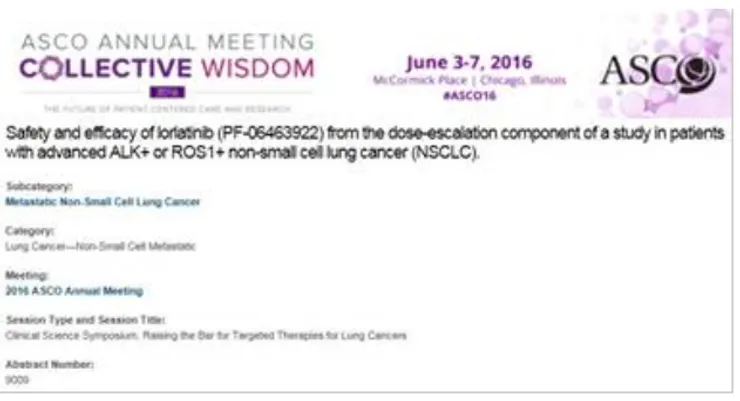 Figure 1
 Figure 2
 Figure 3
 Figure 4