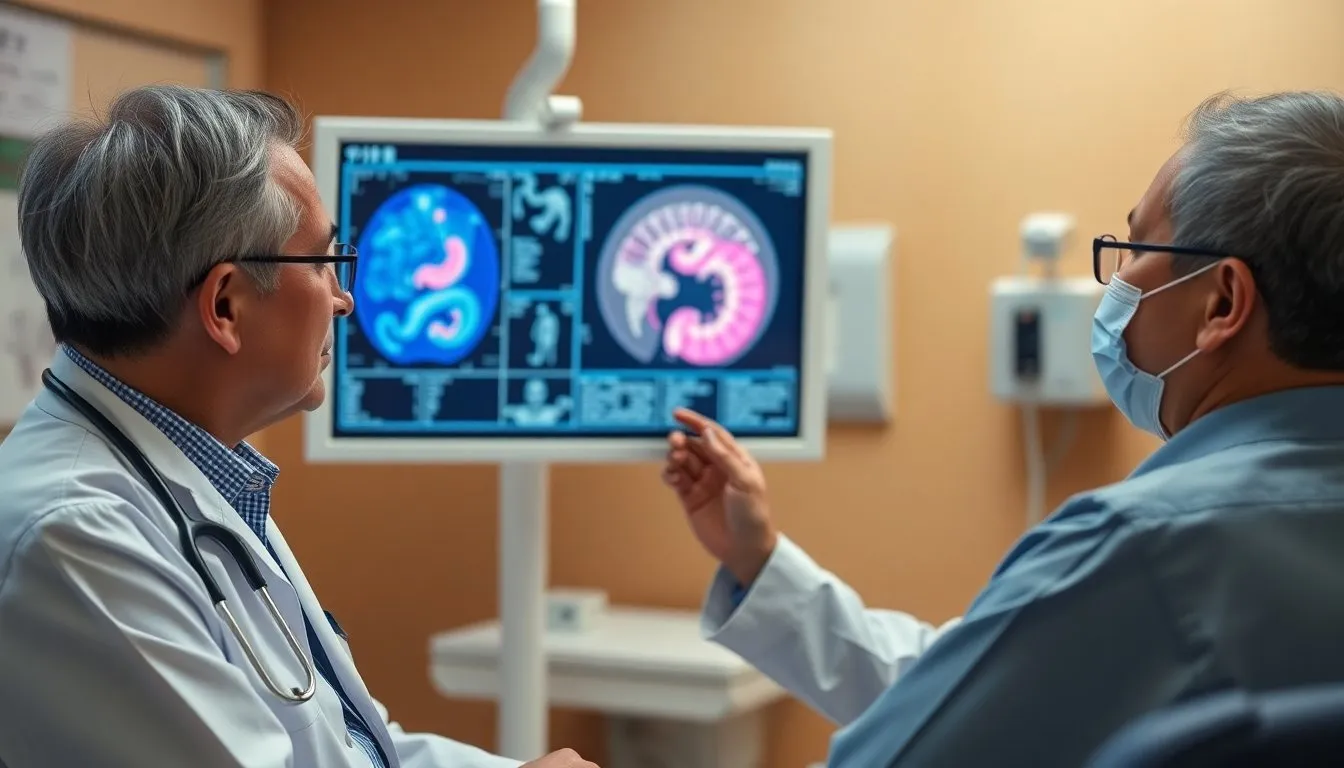
Comprehensive Guide to Colorectal Cancer: Symptoms, Treatments, and Care
Medical Supporter — Avis d’information
Cet article est une synthèse d’informations médicales internationales et ne constitue pas un avis médical ; il ne remplace pas le diagnostic ni le plan de traitement de votre médecin traitant. Les informations présentées sont compilées à partir de publications publiques et de déclarations officielles d’établissements médicaux japonais ; l’adéquation et les résultats de toute thérapie varient selon chaque patient et doivent être évalués individuellement par un médecin qualifié.
When facing a cancer diagnosis, knowledge is your most powerful ally. Colorectal cancer incidence has been rising steadily. Because early-stage colorectal cancer often lacks obvious symptoms or pain, many patients are diagnosed after the optimal window for early intervention has passed.
This guide, compiled by the Medical Supporter medical team, provides a professional yet accessible overview of colorectal cancer to assist you and your family in making informed treatment decisions.
1. What is Colorectal Cancer?
The intestinal tract functions like a long digestive tunnel. When cells in the lining of the colon or rectum undergo uncontrolled "abnormal proliferation," a tumor forms. If left untreated, these malignant cells can invade surrounding tissues or spread (metastasize) via the bloodstream or lymphatic system to distant organs like the liver or lungs, leading to intestinal obstruction, bleeding, and severe impairment of physiological functions.
2. Common Symptoms to Watch For
The "hidden" nature of early-stage colorectal cancer is its greatest threat. Do not ignore the following warning signs:
- Changes in bowel habits (e.g., sudden constipation, diarrhea, or alternating between the two).
- A feeling of incomplete evacuation (tenesmus).
- Blood in the stool (bright red or dark, tarry streaks).
- Unexplained abdominal cramping or pain.
- Unexplained weight loss accompanied by persistent fatigue or loss of appetite.
Clinical Note: While these symptoms do not always indicate cancer (they may be caused by hemorrhoids or inflammation), they are significant signals from your body. Please consult a gastroenterologist promptly for a colonoscopy if you experience any of these signs.
3. High-Risk Groups
Disease development is often linked to cumulative lifestyle factors. Regular screening is highly recommended for:
- Increased age (Risk rises significantly after age 50).
- Family history (First-degree relatives with colorectal cancer or familial polyposis syndromes).
- Personal history of intestinal polyps.
- Dietary factors: High-fat, high-protein, low-fiber diets, and heavy consumption of processed meats.
4. Modern Multidimensional Treatment Options
Modern medicine offers sophisticated strategies for combating colorectal cancer:
Surgical resection remains the primary curative treatment. To ensure complete eradication of malignant cells and reduce the risk of recurrence, leading Japanese hospitals often employ comprehensive adjuvant therapy:
- Chemotherapy and Targeted Therapy: Precision medications that target specific cancer cell features, blocking growth and blood vessel formation (angiogenesis).
- Neoadjuvant Chemoradiotherapy: For locally advanced rectal cancer, Japanese protocols often involve radiation and chemotherapy before surgery. This aims to shrink the tumor, significantly increasing the success rate of surgery and the chances of sphincter preservation (avoiding a permanent colostomy).
5. Post-Operative Recovery and Home Care
A successful surgery is only the beginning. Proper post-operative care is essential for recovery:
- Dietary Reconstruction: The intestinal tract is extremely sensitive following surgery. We recommend "small, frequent meals" consisting of high-nutrition, high-protein, and low-residue soft foods. Temporarily avoid gas-producing foods (such as beans, sweet potatoes, glutinous rice, nuts, and full-fat dairy) to prevent abdominal discomfort.
- Infection Prevention: Patients undergoing chemotherapy or radiotherapy may have weakened immune systems. Maintain rigorous hand hygiene and avoid crowded public spaces. Always wear a mask when going outdoors to protect yourself during this vulnerable period.
- Emergency Indicators: During recovery, if you experience a persistent high fever, severe diarrhea, or significant rectal bleeding, contact your primary physician or our medical emergency coordination team immediately.
Medical Supporter is Always by Your Side Japan offers world-leading expertise in digestive tract oncology and a compassionate care environment. Whether you are seeking a "Second Opinion" from a renowned Japanese specialist or planning to travel to Japan for advanced medical procedures, the Medical Supporter team provides professional coordination, including medical visa assistance and specialized translation services, allowing you to focus entirely on your recovery.
Medical Supporter was formerly certified as a medical visa guarantor by Japan's Ministry of Foreign Affairs and the Ministry of Economy, Trade and Industry (B-066).
Vous envisagez des soins au Japon ? Besoin d’informations et d’aide ?
Nous vous aidons à rassembler les informations nécessaires pour un déplacement médical au Japon, à contacter les établissements japonais et à organiser une consultation de second avis.La première consultation est gratuite ; un conseiller vous aide à clarifier les prochaines étapes.
 Figure 1
 Figure 2