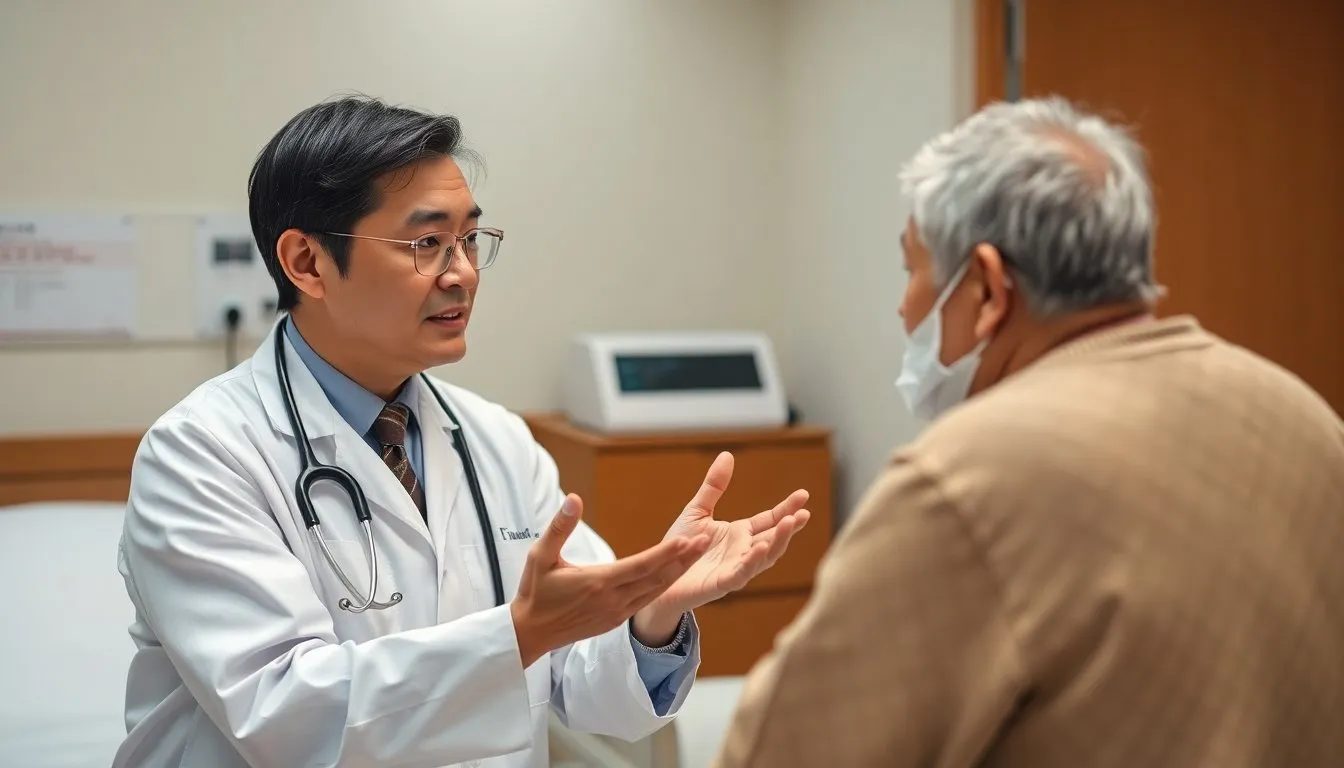
(Cancer Care) The Importance of Diet for Cancer Patients!
Medical Supporter — Informationshinweis
Dieser Artikel ist eine Zusammenfassung internationaler medizinischer Informationen und stellt keine medizinische Beratung dar; er ersetzt nicht die Diagnose oder den Behandlungsplan Ihres behandelnden Arztes. Die dargestellten Informationen stammen aus öffentlichen Veröffentlichungen und offiziellen Angaben führender japanischer medizinischer Einrichtungen; Eignung und Wirkung einer Therapie sind individuell und müssen von einem qualifizierten Arzt beurteilt werden.
- April 17, 2020
- Read time: 6 minutes
Updated: April 20, 2020
I. The Importance of Good Nutrition
Cancer is the leading cause of death in Taiwan, with incidence rates still increasing year by year. However, with advances in modern medicine combining surgery, radiation therapy, and chemotherapy, cancer survival rates have improved significantly, making post-treatment health maintenance and recovery increasingly important.
It has been proven that improving nutrition can enhance immune system function and body efficiency, thereby effectively suppressing the spread of tumors and cancer cells. Nutrition strengthens the immune system, enhancing the function of anti-cancer killer cells, T cells, macrophages, and other immune cells. Therefore, in addition to early detection and early treatment to improve cancer outcomes, the patient's nutritional status is closely related to treatment success.
II. The Impact of Dietary Factors on Cancer
The triggers of cancer are not yet fully understood but are generally believed to be related to loss of control over cell division genes, particularly in individuals with poorer innate DNA repair capabilities, who represent a high-risk group for cancer. Countless external substances can damage genes, including radiation, chemicals, bacteria, viruses, food, artificial or natural products. Air, water, and work environments are all filled with carcinogenic risk factors.
In 1997, the World Health Organization (WHO) published a statistical report on over 10 million cancer patients worldwide, indicating that approximately one-third of these cancer patients were related to diet (caused by unbalanced or unhygienic eating habits). Controlling food intake early can prevent cancer.
III. Influence of Dietary Factors on Cancer
- Calories: Higher caloric intake and obesity are associated with higher incidence of endometrial and gallbladder cancer.
- Fat: High cholesterol intake increases the concentration of cholesterol metabolites in feces, promoting bile acid excretion. Bile acids, acted upon by intestinal microorganisms, form carcinogens.
- Protein: Charbroiling or long-term stewing of meat can produce mutations that promote cancer cell development.
- Carbohydrates: Excessive refined carbohydrate foods increase anaerobic bacteria in the gut, which decompose bile acids to form carcinogens.
- Vitamins: Research shows that low blood levels of carotenoids and beta-carotene may increase the risk of lung cancer, gastrointestinal cancers, and others.
- Minerals: Excessive intake of arsenic, cadmium, and nickel from industrial pollution increases cancer risk.
- Aflatoxin: Dried fruits (peanuts, peanut butter) and grains (rice, corn, wheat) are susceptible to contamination.
- Artificial sweeteners, additives (such as dyes, antioxidants, stabilizers, safrole), any liver-damaging foods, medications, viruses, pesticides.
- Others: Alcohol, cigarettes, betel nut, or overly refined foods lacking in fiber can trigger colorectal cancer.
IV. Why Do Tumor Patients Have Nutritional Problems?
Effects of the tumor:
- Tumors can block the gastrointestinal tract, causing discomfort and loss of appetite.
- Some tumors produce substances that affect the appetite center, reducing appetite.
- Tumors bind and retain certain minerals; when food doesn't taste right, appetite naturally decreases.
V. Effects of Treatment
1. Surgical Treatment Any surgery places different types of stress on the body, causing decreased appetite. If the surgery involves the digestive tract, several symptoms may interfere with eating.
Surgical sites and their effects:
- Mouth and neck: Affects chewing and swallowing
- Stomach: Causes early satiety
- Small intestine: Affects absorption ability, diarrhea
2. Chemotherapy Normal gastrointestinal cells grow quickly and are also affected by chemotherapy drugs. However, gastrointestinal cells recover quickly. Although symptoms can be very distressing, they don't persist long and typically disappear within a few days. Symptom severity also changes with the dosage of chemotherapy drugs. Symptoms are usually controllable.
3. Radiation Therapy Symptoms vary depending on the area and dose of radiation received.
- Mouth, neck: Decreased saliva, dry mouth, difficulty swallowing, taste changes, loss of appetite.
- Stomach, liver, pancreas, bile duct, duodenum, lower abdomen, bladder, uterus, rectum: Abdominal pain, abdominal cramps, constipation, diarrhea, loss of appetite, nausea, vomiting, heartburn.
4. Other: Any form of discomfort can cause decreased appetite. When patients feel depressed or experience discomfort after eating, this affects appetite. When weight decreases, the body not only uses fat as an energy source but also produces substances that affect appetite.
VI. What Should Cancer Patients Pay Attention to in Their Diet?
The goal is to maintain ideal body weight, increasing it if possible.
(I) Principle: Balanced Diet Plan
(1) Basic daily required foods:
- Two or more cups of milk or two or more servings of dairy products (two cups of soy milk).
- 150g of meat.
- Two or more servings of fruit, with at least one being a citrus variety.
- Three or more servings of vegetables, with at least one being a dark green or yellow leafy variety (one serving equals half a bowl of cooked rice).
- 3–6 bowls of cooked rice (4 slices of toast bread can replace one bowl of rice).
(2) Increasing caloric intake: If unable to consume sufficient food, try the following high-fat, carbohydrate foods. Small amounts provide significant calories:
- Butter or margarine spread on toast, dissolved in soup, vegetables, oatmeal, rice, or eggs.
- Peanut butter — eat with banana, apple, or pear, or spread on sandwiches.
- Mayonnaise with salad, eggs, or vegetables.
- Fresh cream, coffee creamer — with pudding, pie, hot chocolate, fruit, jelly, or desserts.
- Jam, syrup, candy, chocolate, and other snacks.
- Add jam or molasses to tea, oatmeal, or toast. Prepare popsicles, popcorn, cookies, or jelly. Readily available and easy-to-prepare foods increase the willingness to eat.
(3) Increasing protein — Meat: Any type including pork, beef, fish, chicken, duck, or lamb. Dairy: Regular milk, dairy products, or qualified medical nutrition products available on the market. Can be served cold to improve flavor. Cheese, soy products: Soy milk, dried tofu, tofu. Eggs: Can be cooked in various ways.
(II) Key points during treatment:
- Follow a high-nutrition, easily digestible diet.
- If unable to eat, nutritional supplements can be administered by injection, or easily absorbed complete nutrition products can be taken. Nutrition should be balanced. The principle is high-calorie, high-protein, high-vitamin diet.
- Eat a balanced diet; avoid selective eating.
- Eat more foods that may have therapeutic effects on cancer.
- Eat small, frequent meals. Even without appetite, actively eat in small, frequent portions, treating nutritional food intake as a continuation of treatment.
- Choose appropriate times to eat. For example, don't eat too much 2–3 hours before radiation or chemotherapy. Patients with nausea and vomiting can take antiemetics 30 minutes before eating.
- Create a pleasant eating atmosphere: eat with family members, chat, play music, or watch TV to divert attention from poor appetite.
- Cooking methods: Steaming, boiling, braising, stir-frying, or soups are best. Avoid smoking, roasting, or frying as much as possible. Avoid pickled or spicy foods. Avoid greasy or heavy meat dishes.
VI. Basic Principles of Anti-Cancer Diet
(I) Diet may help prevent cancer through the following mechanisms:
Changing the potassium-to-sodium ratio in cells: Young cells have a higher potassium-to-sodium ratio, making them more resistant to carcinogenesis. After age 40, sodium in cells begins to exceed potassium, and cells begin to age. Long-term consumption of overly salty foods, fish, and meat accelerates the change in potassium-sodium ratio, promoting cell aging and carcinogenesis. Long-term consumption of more plant-based foods can maintain higher potassium and lower sodium levels, preventing carcinogenic tendencies. Antioxidant nutrients can disrupt the chain reactions that form free radicals.
(II) Neutralizing carcinogens in food and eliminating the effects of free radicals on cells. Foods with the ability to induce pre-cancerous or cancer cells toward benign differentiation and avoid cancer development include:
- Foods containing Vitamin A.
- Foods rich in Vitamin C and cruciferous vegetables.
- Plants containing polysaccharides.
- Foods containing trace metals.
- Seafood.
(III) Avoiding excessive fat and protein intake, obesity, and overweight increases the production of endogenous carcinogens. Excessive fat intake increases the production of steroid hormones such as estrogen and androgen. These are closely related to breast cancer, endometrial cancer, and prostate cancer. Additionally, excessive fat intake increases bile acid secretion in the intestines; bile acids, under the action of intestinal bacteria, form metabolites that catalyze tumor growth, accelerating colorectal cancer formation. Excessive protein intake also increases endogenous carcinogens; these proteins are digested into amino acids, which under bacterial catalysis in the intestines produce carcinogenic substances (N-nitrosamines) and substances that promote tumor growth. Therefore, reducing fat and protein intake can prevent the above carcinogenic effects.
(IV) Not eating pickled, smoked, or grilled proteins: Smoking causes food to be coated with tar and polycyclic hydrocarbons produced by incomplete combustion of carbon. During grilling, the pale blue smoke generated by oil droplets evaporated by charcoal fire also contains similar carcinogenic compounds whose particles easily adhere to food. Pickled foods themselves contain many carcinogens. Therefore, reducing meat and grilled foods is very important in cancer prevention. Foods with the highest fiber content can increase bowel movements and reduce the time carcinogens remain in the intestines; additionally, fiber foods rich in selenium can delay cancer cell growth.
"Boosting immunity" is the most powerful evidence-based support for fighting cancer. It is recommended to take physician-directed regular treatments as the primary approach. Fucoidan from brown algae can be regarded as a "cancer adjuvant therapy" to help regular therapies such as chemotherapy and radiation proceed more smoothly, reduce side effects, and relatively improve treatment outcomes.
- Cancer Care
Medical Supporter was formerly certified as an international medical visa guarantor by Japan's Ministry of Foreign Affairs and the Ministry of Economy, Trade and Industry (B-066).
Behandlung in Japan im Blick? Brauchen Sie Informationen und Unterstützung?
Wir helfen Ihnen, die für eine medizinische Reise nach Japan nötigen Informationen zu ordnen, kontaktieren japanische Einrichtungen und organisieren eine Zweitmeinungsberatung.Die Erstberatung ist kostenlos; ein Berater hilft Ihnen, die nächsten Schritte zu klären.
 Figure 1
 Figure 2
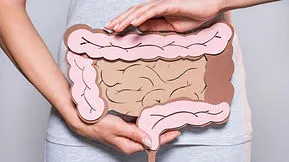 Figure 3