يُعرض باللغة الإنجليزية — الترجمة العربية قيد الإعداد
blog
آخر تحديث: 2025-03-27

(Thymic Cancer) Is Lenvatinib Effective?

S
فريق Medical Supporter
فريق تنسيق طبي دولي ومراجعة تحريرية
(Thymic Cancer) Is Lenvatinib Effective?

(Thymic Cancer) Is Lenvatinib Effective?

Medical Supporter — إشعار معلوماتي

هذه المقالة ملخص لمعلومات طبية دولية وليست نصيحة طبية، ولا يمكن أن تحل محل تشخيص طبيبك المعالج أو خطة العلاج. المعلومات المعروضة مجمّعة من منشورات عامة وبيانات رسمية لكبرى المؤسسات الطبية اليابانية؛ وتختلف ملاءمة ونتائج أي علاج من مريض لآخر ويجب أن يقيّمها طبيب مؤهل لكل حالة على حدة.

يجب أن يقيّم أي خطة علاج محددة طبيب مرخّص في اليابان
  • November 23, 2019
  • Read time: 2 minutes

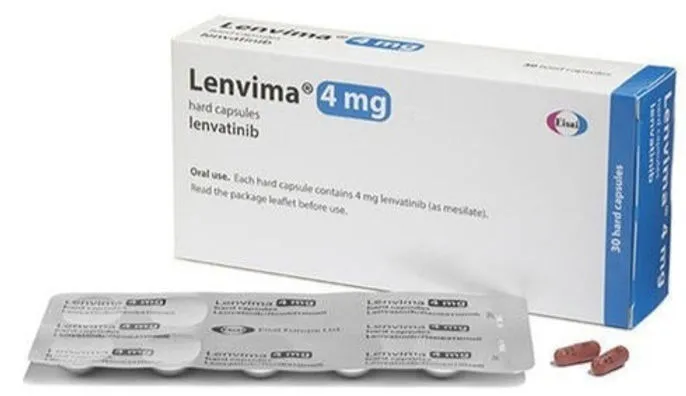
From September 27 to October 1, 2019, at the European Society for Medical Oncology (ESMO) conference held in Barcelona, Spain, Shoichi Ito presented "Efficacy and safety verification results of lenvatinib monotherapy — a multifunctional tyrosine kinase inhibitor — in metastatic thymic carcinoma patients in the REMORA Phase 2 clinical trial."

The trial was a Phase 2 clinical trial conducted across multiple Japanese sites. Metastatic thymic carcinoma patients (N=42) received lenvatinib 24 mg once daily, continued until disease progression or unexpected adverse events. The primary endpoint was objective response rate, and the secondary endpoint was disease control rate.

The reason for conducting this trial was that thymic carcinoma patients use platinum-based chemotherapy as standard treatment, but once treatment becomes ineffective, no subsequent standard treatment options are available. Therefore, lenvatinib — a multifunctional tyrosine kinase inhibitor whose efficacy had already been confirmed in multiple cancer types — was evaluated in this trial for its efficacy and safety.

At a median follow-up of 15.5 months, the results were: the primary endpoint objective response rate was 38.1%, exceeding the benchmark set at the beginning of the trial. Of these, 16 patients achieved partial response and 24 patients achieved stable disease.

The secondary endpoint disease control rate was 95.2%, and the median duration of response was 11.6 months. Regarding safety, adverse events confirmed in the majority of patients included hypertension, diarrhea, hand-foot syndrome, proteinuria, hypothyroidism, and decreased platelet count.

Based on the REMORA Phase 2 trial results, Shoichi Ito concluded: In metastatic thymic carcinoma patients, lenvatinib monotherapy not only achieved the objective response rate endpoint but also demonstrated good tolerability to adverse events. Based on these results, lenvatinib is expected to become a new standard treatment option for metastatic thymic carcinoma patients.

[Important Note] Medical Supporter's translations of overseas clinical trial data and pharmaceutical information are not intended to encourage participation in clinical trials or use of new drugs. The translated information is for reference only and not intended as medication guidelines. Please discuss with healthcare professionals and refer to the original text below the article for accurate information.

Source: Lenvatinib Provides Encouraging Responses in Advanced or Metastatic Thymic Carcinoma [ESMO 2019 Oncology News]

Medical Supporter was formerly certified as an international medical visa guarantor by Japan's Ministry of Foreign Affairs and the Ministry of Economy, Trade and Industry (B-066).

هل تفكر في تلقّي العلاج في اليابان؟ هل تحتاج إلى معلومات ومساعدة؟

نساعدك في تنظيم المعلومات اللازمة للسفر الطبي إلى اليابان، والتواصل مع المؤسسات الطبية اليابانية، وترتيب استشارة رأي ثانٍ.الاستشارة الأولى مجانية؛ سيساعدك المستشار على توضيح الخطوات التالية.

المقر الرئيسي في فوكوكا: +81-92-984-3200
حاصل سابقًا على اعتماد رسمي، رقم B-066

Figure 1Figure 1

Figure 2Figure 2

Figure 3Figure 3

Figure 4Figure 4

قراءة ذات صلة