(Multiple Myeloma) IPd Combination Therapy Breakthrough in Phase 3 Clinical Trial!
Medical Supporter — إشعار معلوماتي
هذه المقالة ملخص لمعلومات طبية دولية وليست نصيحة طبية، ولا يمكن أن تحل محل تشخيص طبيبك المعالج أو خطة العلاج. المعلومات المعروضة مجمّعة من منشورات عامة وبيانات رسمية لكبرى المؤسسات الطبية اليابانية؛ وتختلف ملاءمة ونتائج أي علاج من مريض لآخر ويجب أن يقيّمها طبيب مؤهل لكل حالة على حدة.
At the European Hematology Association meeting held in Amsterdam, Netherlands from June 13–16, 2019, Paul Richardson presented the effectiveness and safety results of the ICARIA-MM Phase 3 clinical trial evaluating anti-CD38 monoclonal antibody Isatuximab + Pomalidomide + Dexamethasone in patients with relapsed or refractory multiple myeloma (RRMM).
The ICARIA-MM trial was a randomized, open-label Phase 3 clinical trial conducted by multiple institutions. The primary endpoint was progression-free survival (PFS); secondary endpoints included objective response rate (ORR) and overall survival (OS). Patients with relapsed or refractory multiple myeloma (RRMM) were divided into:
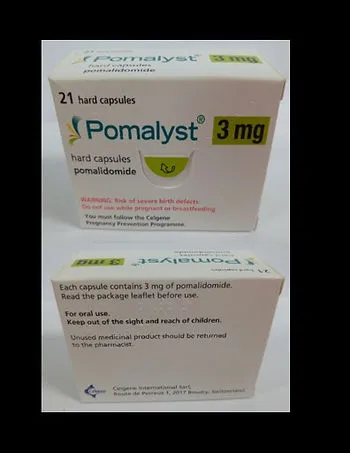
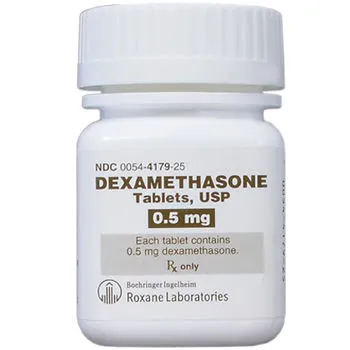
IPd group (28-day cycle: Isatuximab 10mg/kg on days 1, 8, 15, 22 [from cycle 2 onward: days 1, 15] + Pomalidomide 4mg on days 1–21 + Dexamethasone 40mg on days 1, 8, 15, 22)
Pd group (28-day cycle: Pomalidomide 4mg on days 1–21 + Dexamethasone 40mg on days 1, 8, 15, 22)
The rationale for the trial was that although multiple myeloma treatment has advanced rapidly in recent years, there remain patients who cannot be treated. Therefore, alternative treatment approaches incorporating the anti-CD38 monoclonal antibody Isatuximab were developed and evaluated.
A total of 307 patients were enrolled (IPd group: 154; Pd group: 153).
Patient Characteristics:
- Median age: 67 years (range 36–86)
- Median prior treatment regimens: 3 (range 2–11)
- GFR < 60 mL/min: 33.9%
- Refractory to lenalidomide: 92.5%
- Refractory to proteasome inhibitors: 75.9%
- High-risk cytogenetics: 19.5%
Results: With a median follow-up of approximately 11.5 months, the median PFS was 11.5 months for the IPd group and 6.5 months for the Pd group. The IPd group showed a significant improvement with a hazard ratio of 0.596. The secondary endpoint ORR was 60.4% for the IPd group and 35.3% for the Pd group. The very good partial response (VGPR) rate was 31.8% for the IPd group and 8.5% for the Pd group. Neither group had reached median OS, but the IPd group showed a trend toward improvement with a hazard ratio of 0.697.
Median duration of response: IPd group 13.27 months / Pd group 11.07 months. Time to first response: IPd group 35 days / Pd group 58 days. Time to next treatment: IPd group not reached / Pd group 9.1 months (HR 0.538).
Safety: Overall adverse event incidence: IPd group 86.8% / Pd group 70.5%. Discontinuation due to adverse events: IPd group 7.2% / Pd group 12.8%. Treatment-related deaths: IPd group 7.9% / Pd group 9.4%. Infusion-related reactions accounted for 38.2% of all adverse events in the IPd group, with 2.6% classified as Grade 3/4.
Based on the ICARIA-MM trial results, Paul Richardson concluded that Isatuximab + Pomalidomide + Dexamethasone improved progression-free survival and objective response rate in relapsed or refractory multiple myeloma patients, with manageable tolerability.
Source: A PHASE 3 RANDOMIZED, OPEN-LABEL, MULTICENTER STUDY OF ISATUXIMAB, POMALIDOMIDE, AND LOW-DOSE DEXAMETHASONE VS POMALIDOMIDE AND LOW-DOSE DEXAMETHASONE IN RELAPSED/REFRACTORY MULTIPLE MYELOMA (RRMM). (2019 EHA, Abstract No: S824)
Medical Supporter was formerly certified as an international medical visa guarantor by Japan's Ministry of Foreign Affairs and the Ministry of Economy, Trade and Industry (B-066).
هل تفكر في تلقّي العلاج في اليابان؟ هل تحتاج إلى معلومات ومساعدة؟
نساعدك في تنظيم المعلومات اللازمة للسفر الطبي إلى اليابان، والتواصل مع المؤسسات الطبية اليابانية، وترتيب استشارة رأي ثانٍ.الاستشارة الأولى مجانية؛ سيساعدك المستشار على توضيح الخطوات التالية.
Figure 1
Figure 2
Figure 3
Figure 4
Figure 5