blog
Cập nhật lần cuối: 2019-01-11

Where Are the Famous Hospitals for Cancer Treatment in Japan?

S
Đội ngũ Medical Supporter
Đội ngũ điều phối y tế quốc tế và biên tập nội dung
Where Are the Famous Hospitals for Cancer Treatment in Japan?

Where Are the Famous Hospitals for Cancer Treatment in Japan?

Medical Supporter — Thông báo thông tin

Bài viết này là bản tổng hợp thông tin y tế quốc tế, không phải lời khuyên y tế và không thể thay thế chẩn đoán hay phác đồ điều trị của bác sĩ điều trị của bạn. Thông tin được biên soạn từ tài liệu công khai và công bố chính thức của các cơ sở y tế hàng đầu Nhật Bản; tính phù hợp và kết quả của mỗi liệu pháp khác nhau ở từng bệnh nhân và phải được bác sĩ có chuyên môn đánh giá riêng.

Mọi phác đồ điều trị cụ thể phải được bác sĩ có giấy phép tại Nhật Bản đánh giá

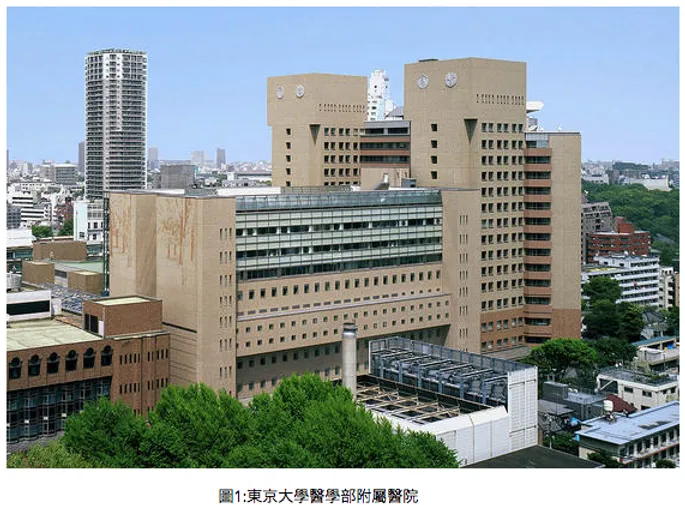
Every patient hopes to find an experienced doctor to increase diagnostic accuracy and achieve high treatment efficacy. Sometimes, booking a famous doctor can take tens of days, and waiting for surgery might take one or two months. Recently, many famous doctors have started their own private clinics or joint hospitals. So, what is the medical situation in Japan? Do people go to large hospitals for treatment just like in Taiwan? Are they all looking for these famous doctors? Actually, medical habits in Japan and Taiwan are similar: minor illnesses are seen at small clinics, while major illnesses are treated at large hospitals. In Japan, once cancer is diagnosed, most people go to large hospitals for consultation, such as the Cancer Institute Hospital of JFCR (Ariake Hospital), the National Cancer Center, or the University of Tokyo Hospital. Do the doctors at these institutions also see patients elsewhere? In fact, they do; like doctors in Taiwan, they may have clinics at joint hospitals or private clinics, or be listed as consultants at other clinics.

This naturally leads to the question: how do you find these famous doctors in Japan? Every year, various Japanese magazines conduct surveys and statistics to rank famous hospitals for various treatments in different regions. Additionally, the Statistics Bureau of Japan and the Ministry of Health, Labour and Welfare (MHLW) collect medical and population statistics. Analyzing these with numerical data can make decision-making much more convenient and improve accuracy. However, when judging by numbers, one must be careful not to fall into statistical traps.

Magazines such as Nikkei and Shukan Asahi Mook, which are reputable and authoritative, analyze this data annually to provide direction for patients considering their next treatment steps. Of course, it is not mandatory to go to these specific places, but medicine is a highly specialized field. The Japanese medical industry, like Taiwan's, can be difficult for the general public to navigate. Medical Supporter takes advantage of its local presence to share this information as much as possible. While Taiwan's medical capabilities are excellent, we provide these options as an additional choice.

Medical Supporter has some tips for you: searching for "famous doctor cancer ranking" (名医 癌 ランキング) in Google will bring up many helpful pages. A word of caution: Japan is a major advertising nation. We often find that while some sites introduce famous hospitals or doctors, scrolling down reveals keywords for certain herbal medicines. Some friends have asked if the efficacy of these herbal medicines is credible. We believe hospital and doctor rankings can be used as a reference, but for herbal medicine efficacy and nutritional supplements, you must be familiar with the products and check for relevant certifications. This is beyond the scope of this article, so we will not elaborate further.

While writing this, a liver cancer patient asked who the famous hospitals and doctors in Japan are and if there are any newer treatments. In Japan, there are approximately 40,000 cases of liver cancer, 20,000 cases of bile duct cancer, and 25,000 cases of pancreatic cancer annually. Liver cancer, in particular, is often caused by chronic hepatitis or cirrhosis due to Hepatitis B or C virus infection. Therefore, the condition of the liver is key to determining whether surgery is possible. Usually, in the early stages, doctors recommend surgical resection. Today, we share the rankings for hepatobiliary and pancreatic cancer surgeries. Hospital credibility is often higher if they handle a large number of patients and surgeries annually. According to Mook magazine, in the Kanto region, Nihon University Itabashi Hospital, Cancer Institute Hospital of JFCR, and Shizuoka Cancer Center rank highly. In Kansai, Nagoya University Hospital and Osaka City University Hospital are notable. In Kyushu, Kumamoto University Hospital also has a high volume of cases.

Furthermore, equipment such as heavy-ion therapy, which is still under construction in some regions, is available in Japan. Many patients from Taiwan travel to Chiba for this radiotherapy. It is important to note that eligibility for treatment must be evaluated by the hospital's doctors. Therefore, a review of medical records must be conducted before any subsequent treatment steps can be decided.

Finally, many people ask which doctors are well-known at specific hospitals or which treatments are particularly effective. Success and effectiveness rates depend on each patient's physical condition and require specific research. Some doctors specialize in bile duct surgery, while others specialize in radiotherapy. Therefore, recommendations are given based on the patient's specific situation. Additionally, in Japan, medical consultations generally require visiting in person so that a doctor can provide treatment recommendations after a physical examination.

#LiverCancer #BileDuctCancer #PancreaticCancer

  • Related Articles Key Factors for High Aggressiveness in Pancreatic Cancer Identified! New Immune Enhancers to Boost Cancer Immunotherapy. Kyoto University Starts iPS Cell Cancer Treatment!

Medical Supporter was formerly certified as an international medical visa guarantor by Japan's Ministry of Foreign Affairs and the Ministry of Economy, Trade and Industry (B-066).

Đang cân nhắc sang Nhật Bản điều trị? Cần thông tin và hỗ trợ?

Chúng tôi giúp bạn sắp xếp thông tin cần thiết để sang Nhật điều trị, liên hệ các cơ sở y tế Nhật Bản và sắp xếp tư vấn ý kiến thứ hai.Buổi tư vấn đầu tiên miễn phí; chuyên viên sẽ giúp bạn làm rõ các bước tiếp theo.

Trụ sở Fukuoka: +81-92-984-3200
Từng được chứng nhận chính thức, số B-066

Figure 1Figure 1

Figure 2Figure 2

Figure 3Figure 3

Figure 4Figure 4

Bài đọc liên quan