(Colorectal Cancer) BBI608 (Napabucasin) Effective in pSTAT3-Positive Patients
Medical Supporter — ประกาศข้อมูล
บทความนี้เป็นการสรุปข้อมูลทางการแพทย์ระหว่างประเทศ ไม่ใช่คำแนะนำทางการแพทย์ และไม่สามารถใช้แทนการวินิจฉัยหรือแผนการรักษาของแพทย์ผู้ดูแลของคุณได้ ข้อมูลที่นำเสนอรวบรวมจากเอกสารสาธารณะและคำชี้แจงอย่างเป็นทางการของสถาบันการแพทย์ชั้นนำของญี่ปุ่น ความเหมาะสมและผลของการรักษาแต่ละแบบแตกต่างกันไปในผู้ป่วยแต่ละราย และต้องได้รับการประเมินเป็นรายบุคคลโดยแพทย์ที่มีคุณสมบัติ
- October 19, 2016
- 2 min read
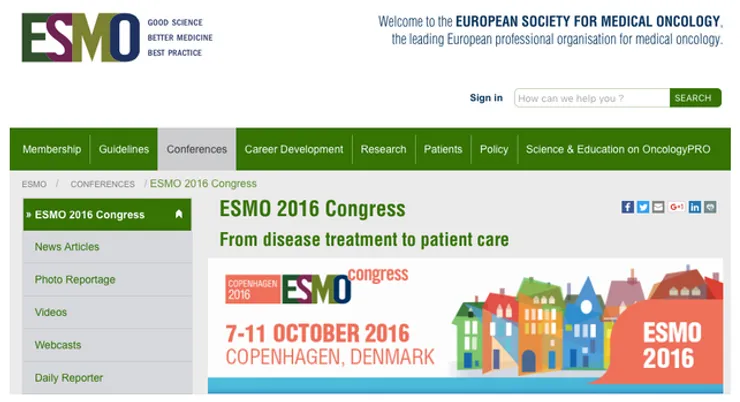
This report was published at the 2016 European Society for Medical Oncology (ESMO) annual congress. It presents a biomarker analysis from the Phase 3 CCTG CO.23 clinical trial evaluating napabucasin (BBI608), a cancer stem cell inhibitor, versus placebo in previously treated colorectal cancer patients. The lead investigator was Dr. Derek J. Jonker of The Ottawa Hospital Cancer Centre in Canada. The key conclusion is that BBI608 appears to be effective in colorectal cancer patients who are pSTAT3-positive.
Concurrently, a Phase 1b/2 trial combining napabucasin with a PD-1 inhibitor (Keytruda) in colorectal cancer patients was also initiated. Further updates will be shared when available.
The CCTG CO.23 trial enrolled previously treated colorectal cancer patients randomized to either napabucasin (480 mg every 12 hours plus supportive care) or placebo (administered identically). Investigators could discontinue the therapy if no clinical benefit was determined. The primary efficacy endpoint was OS, with secondary endpoints including PFS, disease control rate (DCR), quality of life, and the correlation of biomarkers pSTAT3 and β-catenin with OS/PFS.
The trial enrolled its first patient in April 2013. An interim analysis on May 23, 2014 showed that the DCR target was not met, resulting in a halt to new enrollment and discontinuation of the existing trial participants. As of the data cutoff, the total median survival was 19.4 months, with 258 of 282 enrolled patients having died.
In the intention-to-treat analysis, the median OS was 4.4 months for napabucasin versus 4.8 months for placebo (HR: 1.13; 95% CI: 0.88–1.46; p=0.34), indicating no significant difference. The PFS was also similar at 1.8 months in both groups.
Among the 55 patients (22%) who were pSTAT3-positive—29 in the napabucasin arm and 26 in the placebo arm—analysis of the placebo group revealed that pSTAT3-positive patients had worse post-operative outcomes. The median OS was 3 months for pSTAT3-positive patients versus 4.9 months for pSTAT3-negative patients (HR: 2.3; 95% CI: 1.5–3.6; p=0.0002).
In a subgroup analysis of 128 patients who received ≥80% of the planned napabucasin dose (480 mg/day) during the first 56 days, the median OS was 6.6 months in the napabucasin arm versus 5.8 months in the placebo arm (HR: 0.88; 95% CI: 0.61–1.28; p=0.5), with no significant difference overall. However, in pSTAT3-positive patients (n=25), the napabucasin group had a median OS of 9 months versus 4 months in the placebo group (HR: 0.28; 95% CI: 0.11–0.69; p=0.0057). In pSTAT3-negative patients, both groups showed median OS of 6.4 months with no significant difference.
In conclusion, napabucasin demonstrated a more pronounced benefit in pSTAT3-positive patients. Related research was also presented at ASCO 2016: http://www.bostonbiomedical.com/boston-biomedical-announces-clinical-data-first-class-investigational-cancer-stem-cell-pathway-inhibitors-napabucasin-amcasertib-multiple-cancer-types-asco-2016/
Colorectal Cancer
-
Clinical Trial Medications
- (Lung Cancer) Phase II results for Topotecan and Topotecan + Berzosertib combination.
- (Lung Cancer) Efficacy of Enhertu in HER2-mutant non-small cell lung cancer (NSCLC).
- (Lung Cancer) Clinical outcomes of anti-B7-H3 antibody-drug conjugate DS-7300.
Medical Supporter was formerly certified as an international medical visa guarantor by Japan's Ministry of Foreign Affairs and the Ministry of Economy, Trade and Industry (B-066).
กำลังพิจารณาเดินทางไปรักษาที่ญี่ปุ่น? ต้องการข้อมูลและความช่วยเหลือไหม?
เราช่วยคุณจัดเตรียมข้อมูลที่จำเป็นสำหรับการเดินทางไปรักษาที่ญี่ปุ่น ติดต่อสถาบันการแพทย์ญี่ปุ่น และจัดการปรึกษาความเห็นที่สองการปรึกษาครั้งแรกฟรี ที่ปรึกษาจะช่วยให้คุณเห็นขั้นตอนต่อไปชัดเจน
Figure 1
Figure 2
Figure 3
Figure 4