
(Lung Cancer Immunotherapy) Breaking Performance Barriers: Opdivo + Yervoy in Special-Population Lung Cancer Patients (CheckMate-817)
Medical Supporter — إشعار معلوماتي
هذه المقالة ملخص لمعلومات طبية دولية وليست نصيحة طبية، ولا يمكن أن تحل محل تشخيص طبيبك المعالج أو خطة العلاج. المعلومات المعروضة مجمّعة من منشورات عامة وبيانات رسمية لكبرى المؤسسات الطبية اليابانية؛ وتختلف ملاءمة ونتائج أي علاج من مريض لآخر ويجب أن يقيّمها طبيب مؤهل لكل حالة على حدة.
In clinical practice, not all lung cancer patients can meet the strict eligibility criteria of standard trials. Many elderly patients, those with comorbidities (such as renal impairment or HIV infection), or those with poor performance status are often excluded from standard treatment options. The CheckMate-817 trial, presented at the European Society for Medical Oncology (ESMO), specifically evaluated the clinical performance of nivolumab (Opdivo) combined with ipilimumab (Yervoy) in this "special population."
1. CheckMate-817 Trial: Broad Patient Coverage
The trial divided patients into two main cohorts:
- Cohort A: Patients with good performance status (ECOG PS 0–1).
- Cohort A1: Patients with ECOG PS 2 (poor performance), asymptomatic brain metastases, hepatic impairment, or HIV-positive status.
Key Clinical Data:
- Survival outcomes: Median overall survival (OS) for Cohort A was 17.0 months, while the "special population" Cohort A1 achieved 9.9 months.
- One-year survival rate: The one-year survival rate for Cohort A1 was 47%, demonstrating that even patients with lower physical function can achieve meaningful survival benefit from dual immunotherapy.
- Safety: Most critically, there was no significant difference in adverse event rates between the two cohorts, confirming that the dual immunotherapy regimen is well tolerated in fragile patient populations.
2. Strategic Advantages of Dual Immunotherapy
The combination of Opdivo and Yervoy does not rely on chemotherapy, which is critically important for patients who cannot tolerate chemotherapy toxicity (such as severe myelosuppression). Through precise dosing (nivolumab 240 mg every two weeks plus ipilimumab 1 mg/kg every six weeks), this regimen can maintain efficacy while minimizing adverse event risk.
3. Why Japanese Physicians Emphasize Management of Special Populations
Japan has a large population of elderly cancer patients, and physicians have extensive experience in managing "lung cancer with comorbidities" and "elderly lung cancer." For the CheckMate-817 regimen, Japanese centers can provide more detailed home monitoring and nutritional support to ensure every patient safely receives the most advanced, chemotherapy-free immunotherapy.
Medical Supporter — Your Comprehensive Lung Cancer Medical Partner Physical frailty does not mean giving up on advanced treatment. If you or a family member are concerned about whether the body can tolerate intensive therapy, the Medical Supporter team can help arrange consultations with Japanese specialists to evaluate the suitability of dual immunotherapy under special health conditions, planning the safest and most supportive medical journey to Japan.
Medical Supporter was formerly certified as an international medical visa guarantor by Japan's Ministry of Foreign Affairs and the Ministry of Economy, Trade and Industry (B-066).
هل تفكر في تلقّي العلاج في اليابان؟ هل تحتاج إلى معلومات ومساعدة؟
نساعدك في تنظيم المعلومات اللازمة للسفر الطبي إلى اليابان، والتواصل مع المؤسسات الطبية اليابانية، وترتيب استشارة رأي ثانٍ.الاستشارة الأولى مجانية؛ سيساعدك المستشار على توضيح الخطوات التالية.
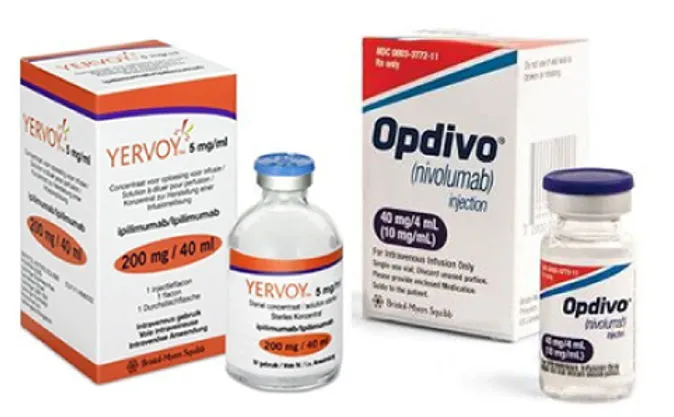 Figure 1
 Figure 2
 Figure 3
 Figure 4