![[Lung Cancer Advanced Treatment] Conquering Leptomeningeal Metastases: Osimertinib Demonstrates Strong Intracranial C...](/images/blog/lunghtagrisso-0.webp)
[Lung Cancer Advanced Treatment] Conquering Leptomeningeal Metastases: Osimertinib Demonstrates Strong Intracranial Control in the BLOOM Trial
[Lung Cancer Advanced Treatment] Osimertinib: Lighting a Path for Leptomeningeal Metastasis Patients
Medical Supporter — إشعار معلوماتي
هذه المقالة ملخص لمعلومات طبية دولية وليست نصيحة طبية، ولا يمكن أن تحل محل تشخيص طبيبك المعالج أو خطة العلاج. المعلومات المعروضة مجمّعة من منشورات عامة وبيانات رسمية لكبرى المؤسسات الطبية اليابانية؛ وتختلف ملاءمة ونتائج أي علاج من مريض لآخر ويجب أن يقيّمها طبيب مؤهل لكل حالة على حدة.
Among the complications of advanced lung cancer, "leptomeningeal metastases" (LM) is considered one of the most difficult challenges to overcome. Due to the blood-brain barrier, conventional drugs are unable to reach effective concentrations in the cerebrospinal fluid, resulting in extremely poor patient prognosis. However, BLOOM trial results published in the Journal of Clinical Oncology (JCO) show that the third-generation targeted agent Osimertinib (Tagrisso) is breaking through this barrier.
I. BLOOM Trial: Success of a High-Dose Strategy
This trial investigated the efficacy of high-dose (160mg) Osimertinib administered once daily in patients with EGFR-positive leptomeningeal metastases.
Core Clinical Data:
- Objective Response Rate (ORR): Achieved 62% among 41 trial participants, demonstrating that high-dose medication can effectively shrink meningeal lesions.
- Duration of Response (DoR): Median reached 15.2 months, gaining patients valuable stable control time.
- Survival Improvement: Although LM patients previously had a survival of only approximately 3-10 months, the BLOOM trial achieved a median overall survival (OS) of 11.0 months, demonstrating clear therapeutic benefit.
II. Safety and Tolerability Analysis
Although the dose was doubled to 160mg, the safety profile still showed good tolerability:
- Common adverse events were similar to standard dose, such as rash and diarrhea.
- No large-scale discontinuations due to adverse events occurred in the trial, proving that the high-dose strategy is safe and feasible under professional monitoring.
III. Why Does This Research Have Strategic Value?
The incidence of leptomeningeal metastases in EGFR-positive patients is approximately 9%. The BLOOM trial confirmed that Osimertinib has extremely strong blood-brain barrier penetration and intracranial activity. Japan's top cancer hospitals currently include such high-dose targeted regimens as an important clinical reserve for managing complex brain metastases.
Medical Supporter: Your Expert Platform for Brain Metastasis Treatment When facing leptomeningeal metastases, every day matters. If you or your family member are facing this serious challenge, Medical Supporter's team can help connect you with authoritative Japanese physicians with extensive BLOOM protocol experience, arranging professional imaging interpretation and high-dose targeted therapy planning.
Medical Supporter was formerly certified as an international medical visa guarantor by Japan's Ministry of Foreign Affairs and the Ministry of Economy, Trade and Industry (B-066).
هل تفكر في تلقّي العلاج في اليابان؟ هل تحتاج إلى معلومات ومساعدة؟
نساعدك في تنظيم المعلومات اللازمة للسفر الطبي إلى اليابان، والتواصل مع المؤسسات الطبية اليابانية، وترتيب استشارة رأي ثانٍ.الاستشارة الأولى مجانية؛ سيساعدك المستشار على توضيح الخطوات التالية.
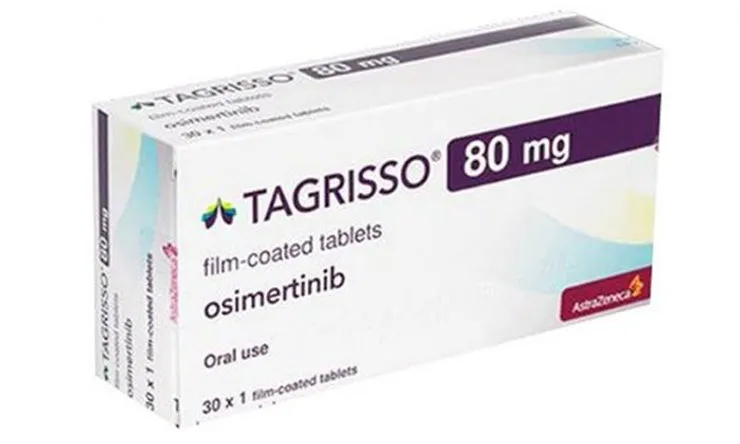 Figure 1
 Figure 2
 Figure 3
 Figure 4