![[Lung Cancer Advanced Treatment] Rethinking EGFR Targeted Combination Therapy: Analysis of the Osimertinib plus Avast...](/images/blog/lungcancerosimertinib-avastin-0.webp)
[Lung Cancer Advanced Treatment] Rethinking EGFR Targeted Combination Therapy: Analysis of the Osimertinib plus Avastin BOOSTER Trial
[Lung Cancer Advanced Treatment] Osimertinib Combined with Avastin: Clinical Insights from the BOOSTER Trial
Medical Supporter — إشعار معلوماتي
هذه المقالة ملخص لمعلومات طبية دولية وليست نصيحة طبية، ولا يمكن أن تحل محل تشخيص طبيبك المعالج أو خطة العلاج. المعلومات المعروضة مجمّعة من منشورات عامة وبيانات رسمية لكبرى المؤسسات الطبية اليابانية؛ وتختلف ملاءمة ونتائج أي علاج من مريض لآخر ويجب أن يقيّمها طبيب مؤهل لكل حالة على حدة.
In non-small cell lung cancer (NSCLC) treatment, "combination therapy" is often placed high hopes upon, aiming to delay the development of drug resistance. The BOOSTER trial, published in the Annals of Oncology, specifically examined the performance of the third-generation targeted drug Osimertinib (Tagrisso) combined with the antiangiogenic drug Avastin (bevacizumab) in patients with EGFR T790M mutation-positive disease.
I. BOOSTER Trial: Striking Data Comparison
This trial randomly assigned 155 previously treated patients to either a "combination group" or a "monotherapy group."
Core Clinical Data:
- Progression-Free Survival (PFS): Combination group median was 15.4 months; monotherapy group was 12.3 months — no statistically significant difference.
- Overall Survival (OS): Both groups were nearly equivalent (approximately 24 months); the combination group even showed a slightly higher 3% increase in mortality risk.
- Objective Response Rate (ORR): Both groups maintained 55%, indicating that adding Avastin did not significantly improve the proportion of tumor shrinkage.
II. Safety Warning: Significant Increase in Adverse Events
The most noteworthy data in the trial was the safety findings. The rate of Grade 3 or higher adverse events in the combination group was as high as 47%, far exceeding the monotherapy group's 18%. This means that while adding Avastin has theoretical basis in some mechanisms, it brings a significantly heavier physical burden in actual clinical practice.
III. Medical Team's Recommendation: Monotherapy Remains the Standard
Based on BOOSTER results, for EGFR T790M-positive patients, Osimertinib monotherapy currently remains the best choice balancing both efficacy and quality of life. Japanese authoritative physicians strongly emphasize "the balance of toxicity and benefit" in clinical practice and do not blindly pursue drug stacking.
Medical Supporter: Precisely Connecting You to Japanese Second Opinions Anticancer drug combinations are diverse and complex. If you are facing a drug adjustment decision, Medical Supporter's medical advisory team can help you obtain opinions from Japan's top lung cancer experts, formulating the most stable treatment plan based on your physical tolerance and genetic reports.
Medical Supporter was formerly certified as an international medical visa guarantor by Japan's Ministry of Foreign Affairs and the Ministry of Economy, Trade and Industry (B-066).
هل تفكر في تلقّي العلاج في اليابان؟ هل تحتاج إلى معلومات ومساعدة؟
نساعدك في تنظيم المعلومات اللازمة للسفر الطبي إلى اليابان، والتواصل مع المؤسسات الطبية اليابانية، وترتيب استشارة رأي ثانٍ.الاستشارة الأولى مجانية؛ سيساعدك المستشار على توضيح الخطوات التالية.
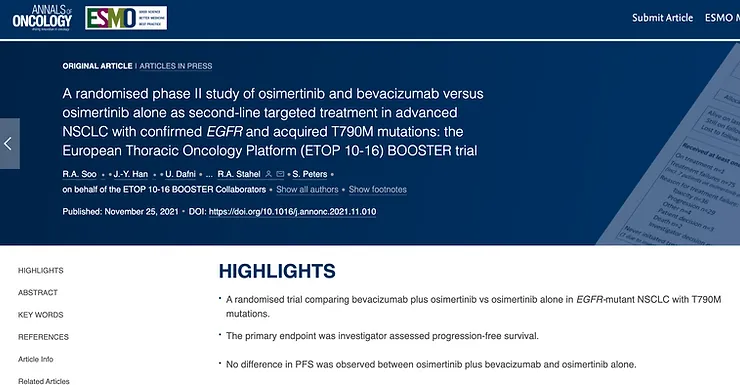 Figure 1
 Figure 2
 Figure 3
 Figure 4