
Mismatch Repair Status as a Predictive Biomarker for Anti-PD-L1 Immunotherapy
Medical Supporter — إشعار معلوماتي
هذه المقالة ملخص لمعلومات طبية دولية وليست نصيحة طبية، ولا يمكن أن تحل محل تشخيص طبيبك المعالج أو خطة العلاج. المعلومات المعروضة مجمّعة من منشورات عامة وبيانات رسمية لكبرى المؤسسات الطبية اليابانية؛ وتختلف ملاءمة ونتائج أي علاج من مريض لآخر ويجب أن يقيّمها طبيب مؤهل لكل حالة على حدة.
Clinical Trial Results: Durvalumab in Endometrial Cancer
- July 17, 2019
- Reading time: 1 minute
Between May 31 and June 4, 2019, the ASCO 2019 Annual Meeting in Chicago presented results from the PHAEDRA Phase II clinical trial evaluating the efficacy, safety, and biomarker associations of durvalumab monotherapy in treatment-experienced endometrial cancer patients stratified by mismatch repair (MMR) status.
Trial Design and Patient Population
The PHAEDRA Phase II clinical trial enrolled 71 treatment-experienced endometrial cancer patients with either proficient MMR (pMMR, n=36) or deficient MMR (dMMR, n=35) status. Patients received durvalumab monotherapy 1,500 mg intravenously every four weeks. The primary endpoint was objective response rate (ORR), with secondary endpoints including disease control rate (DCR) at week 16 and safety assessments.
Rationale for MMR-Based Patient Selection
Clinical rationale for this trial design was based on two key observations:
- Approximately 15% of endometrial cancer patients demonstrate dMMR phenotype
- Prior trials reported exceptionally high PD-L1 expression in endometrial cancer patients (up to 90%)
These characteristics suggested that endometrial cancer patients with dMMR status might represent an enriched population for anti-PD-L1 immunotherapy response.
Clinical Trial Results
Primary Endpoint - Objective Response Rate:
- dMMR group: 40%
- pMMR group: 3%
Secondary Endpoint - Disease Control Rate (at week 16):
- dMMR group: 60%
- pMMR group: 19%
Safety Profile
Immune-related adverse events (irAEs) were observed in 14 patients, including:
- Hyperthyroidism: 6 patients
- Hypothyroidism: 6 patients
- Pneumonitis: 1 patient
- Hepatitis: 1 patient
Clinical Conclusions
Principal investigator Yoland Catherine Antill concluded that dMMR-phenotype endometrial cancer patients demonstrate robust anti-tumor response to durvalumab monotherapy. Conversely, pMMR endometrial cancer patients demonstrate limited treatment efficacy, suggesting that mismatch repair deficiency serves as a predictive biomarker for durable response to PD-L1 checkpoint inhibition.
Data Source
Activity of durvalumab in advanced endometrial cancer (AEC) according to mismatch repair (MMR) status: The phase II PHAEDRA trial (ANZGOG1601). 2019 ASCO Annual Meeting, Abstract No:5501.
Related Endometrial Cancer Treatments
- Clinical Trial Therapeutics
- (Lung Cancer) Topotecan and Topotecan Plus Berzosertib Phase II Trial Results
- (Lung Cancer) HER2-Mutant Non-Small Cell Lung Cancer Treatment with Enhertu
- (Lung Cancer) Anti-B7-H3 Antibody DS-7300 Clinical Efficacy
Medical Supporter was formerly certified as an international medical visa guarantor by Japan's Ministry of Foreign Affairs and the Ministry of Economy, Trade and Industry (B-066).
هل تفكر في تلقّي العلاج في اليابان؟ هل تحتاج إلى معلومات ومساعدة؟
نساعدك في تنظيم المعلومات اللازمة للسفر الطبي إلى اليابان، والتواصل مع المؤسسات الطبية اليابانية، وترتيب استشارة رأي ثانٍ.الاستشارة الأولى مجانية؛ سيساعدك المستشار على توضيح الخطوات التالية.
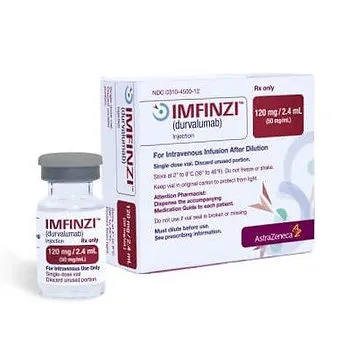 Figure 1
 Figure 2
 Figure 3
 Figure 4