
Breast Cancer Chemotherapy Comparison: Everolimus, Exemestane, and Capecitabine
Breast Cancer Chemotherapy Comparison: Everolimus, Exemestane, and Capecitabine
Medical Supporter — إشعار معلوماتي
هذه المقالة ملخص لمعلومات طبية دولية وليست نصيحة طبية، ولا يمكن أن تحل محل تشخيص طبيبك المعالج أو خطة العلاج. المعلومات المعروضة مجمّعة من منشورات عامة وبيانات رسمية لكبرى المؤسسات الطبية اليابانية؛ وتختلف ملاءمة ونتائج أي علاج من مريض لآخر ويجب أن يقيّمها طبيب مؤهل لكل حالة على حدة.
- August 27, 2018
- Reading time: 2 minutes
On June 5, 2018, at the American Society of Clinical Oncology (ASCO 2018) conference held in Chicago, USA, Dr. Guy Heinrich Maria Jerusalem from CHU Sart Tilman Liège and Liège University conducted a Phase II clinical trial comparing the combination of everolimus coated tablets + exemestane with single-agent exemestane and capecitabine in HER2-negative advanced breast cancer patients. The clinical trial was named BOLERO-6 (NCT01783444).
This clinical trial enrolled HER2-negative breast cancer patients (N=309). One group received everolimus coated tablets 25 mg once daily + exemestane 10 mg once daily (N=104). The comparison groups were exemestane 10 mg once daily alone (N=103) and capecitabine 1250 mg/m2 twice daily (N=102), in a 1:1:1 randomization. The primary endpoints were progression-free survival (PFS) and overall survival (OS) in this Phase II study.
To prevent confounding variables such as age and gender from affecting the trial results, the study implemented stratified randomization. With a median follow-up of 37.6 months, the results showed that everolimus + exemestane combination therapy compared to exemestane alone resulted in a 26% increased risk for PFS (HR: 1.26; 90% CI: 0.96-1.66). Due to significant differences in patient baseline characteristics between the everolimus + exemestane group and the capecitabine alone group, only patients receiving capecitabine demonstrated a higher rate of bone metastasis in those aged 65 years and under.
Regarding median OS, everolimus + exemestane was 23.1 months, exemestane alone was 29.3 months (HR: 1.27; 90% CI: 0.95-1.70), and capecitabine was 25.6 months (HR: 1.33; 90% CI: 0.99-1.79).
Based on the BOLERO-6 trial results, Dr. Guy Heinrich Maria Jerusalem stated: "In HER2-negative advanced breast cancer patients, everolimus + exemestane combination therapy showed reduced mortality risk compared to exemestane alone. However, everolimus + exemestane combination showed a higher mortality risk compared to capecitabine; this difference may be attributed to the different baseline characteristics of the patient populations."
Everolimus (EVE) + exemestane (EXE) vs EVE alone or capecitabine (CAP) for estrogen receptor-positive (ER+), human epidermal growth factor receptor 2-negative (HER2-) advanced breast cancer (ABC): BOLERO-6, an open-label phase 2 study. (ASCO 2018, Abstract No.1005)
#Breast Cancer
-
Clinical Trial Drug
(Lung Cancer) Topotecan and Topotecan + Berzosertib Show Promising Results in Phase II Trial. (Lung Cancer) HER2 Gene Mutation Non-Small Cell Lung Cancer: Is Enhertu Effective? (Lung Cancer) Is Anti-B7-H3 Antibody DS-7300 Effective?
Medical Supporter was formerly certified as an international medical visa guarantor by Japan's Ministry of Foreign Affairs and the Ministry of Economy, Trade and Industry (B-066).
هل تفكر في تلقّي العلاج في اليابان؟ هل تحتاج إلى معلومات ومساعدة؟
نساعدك في تنظيم المعلومات اللازمة للسفر الطبي إلى اليابان، والتواصل مع المؤسسات الطبية اليابانية، وترتيب استشارة رأي ثانٍ.الاستشارة الأولى مجانية؛ سيساعدك المستشار على توضيح الخطوات التالية.
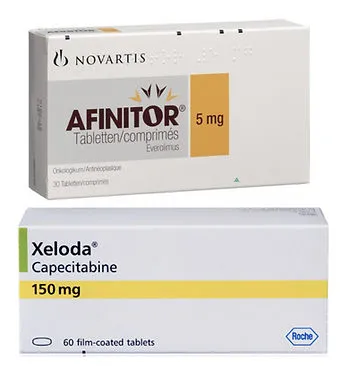 Figure 1
 Figure 2
 Figure 3
 Figure 4