
(Kidney Cancer) Phase II Results of Atezolizumab in Untreated Patients
Medical Supporter — Thông báo thông tin
Bài viết này là bản tổng hợp thông tin y tế quốc tế, không phải lời khuyên y tế và không thể thay thế chẩn đoán hay phác đồ điều trị của bác sĩ điều trị của bạn. Thông tin được biên soạn từ tài liệu công khai và công bố chính thức của các cơ sở y tế hàng đầu Nhật Bản; tính phù hợp và kết quả của mỗi liệu pháp khác nhau ở từng bệnh nhân và phải được bác sĩ có chuyên môn đánh giá riêng.
(Kidney Cancer) Phase II Results of Atezolizumab in Untreated Patients
- March 6, 2017
- Reading time: 2 minutes
This is an article from ASCO GU 2017, the Genitourinary Cancers Symposium held in Orlando, Florida, from February 16–18. It was presented by Dr. David F. McDermott from Beth Israel Deaconess Medical Center. This Phase II study, named IMmotion150, compared the use of the anti-PD-L1 antibody atezolizumab alone, in combination with Avastin (bevacizumab), or in comparison with Sutent (sunitinib) in patients with previously untreated metastatic renal cell carcinoma (mRCC).
The trial enrolled previously untreated mRCC volunteers, including those who had undergone nephrectomy. Participants were stratified by PD-L1 expression (1%↑) and MSKCC risk classification. The groups consisted of: 1) Avastin + atezolizumab (101 patients), 2) Atezolizumab monotherapy (1,200 mg every three weeks), and 3) Sutent monotherapy (101 patients, 50 mg once daily for four weeks followed by a two-week break). There were no significant differences in the treatment backgrounds of the volunteers across the three groups.
Volunteers in the monotherapy and Sutent groups were eligible for crossover to the Avastin combination after disease progression. The evaluation criteria were Progression-Free Survival (PFS) based on RECIST v1.1 for the Intention-to-Treat (ITT)* population and PFS for PD-L1 positive patients.
Data were collected through October 17, 2016, with a median follow-up period of 20.7 months.
Based on the ITT analysis, the median PFS was 11.7 months (95% CI: 8.4–17.3) for the combination group, 6.1 months (95% CI: 5.4–13.6) for the atezolizumab monotherapy group, and 8.4 months (95% CI: 7.0–14.0) for the Sutent group. The Hazard Ratio (HR) for the combination group versus the Sutent group was 1.00 (95% CI: 0.69–1.45), with p=0.982. Additionally, the HR for the monotherapy group versus the Sutent group was 1.19 (95% CI: 0.82–1.71), p=0.358. For PD-L1 positive patients, the median PFS was 14.7 months (95% CI: 8.7–25.1) for the combination group (n=50), 5.5 months (95% CI: 3.0–13.9) for the monotherapy group (n=54), and 7.8 months (95% CI: 3.8–10.8) for the Sutent group (n=60). The HR for the combination versus Sutent was 0.64 (95% CI: 0.38–1.08), p=0.095, showing a favorable trend for the combination group though not statistically significant. The HR for monotherapy versus Sutent was 1.03 (95% CI: 0.63–1.67), p=0.917, showing no significant difference.
Regarding side effects, Grade 3/4 adverse events occurred in 40% of the combination group, 17% of the monotherapy group, and 57% of the Sutent group. Treatment-related deaths were 1% in the combination group, 0% in the monotherapy group, and 2% in the Sutent group.
The Phase III clinical trial IMmotion151, which further compares atezolizumab + bevacizumab versus sunitinib in untreated mRCC patients, is currently ongoing.
*ITT (Intention-to-Treat): An analysis based on the initial treatment assignment rather than the treatment eventually received. It is used in randomized controlled trials to maintain the integrity of randomization and provide a more realistic assessment of a treatment's clinical impact.
Renal Cell Carcinoma # Kidney Cancer
- Immunotherapy
- (Solid Tumors) Is Keytruda Effective?
- (Solid Tumors) Rakuten Medical Initiates Phase I Clinical Trial for RM-1995 Photo-immunotherapy
- (Lung Cancer) Is Keytruda Effective?
Medical Supporter Formerly certified by Japan's Ministry of Foreign Affairs and METI as an international medical visa guarantor (B-066).
Đang cân nhắc sang Nhật Bản điều trị? Cần thông tin và hỗ trợ?
Chúng tôi giúp bạn sắp xếp thông tin cần thiết để sang Nhật điều trị, liên hệ các cơ sở y tế Nhật Bản và sắp xếp tư vấn ý kiến thứ hai.Buổi tư vấn đầu tiên miễn phí; chuyên viên sẽ giúp bạn làm rõ các bước tiếp theo.
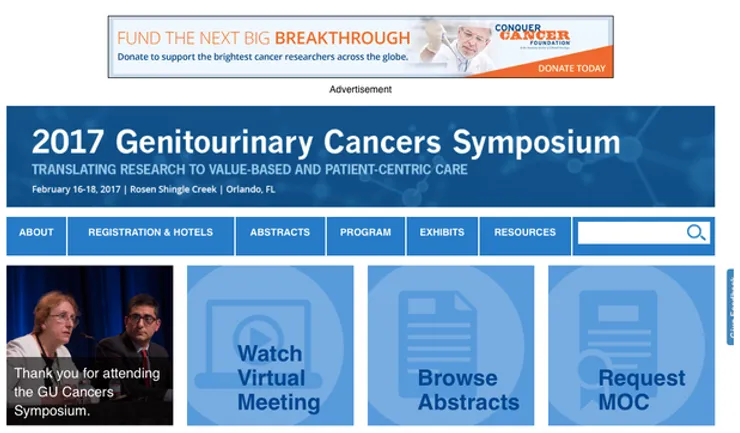 Figure 1
 Figure 2
 Figure 3
 Figure 4