
Kadcyla Plus Capecitabine in HER2-Positive Metastatic Breast Cancer: Phase 1/2 Trial
Medical Supporter — ประกาศข้อมูล
บทความนี้เป็นการสรุปข้อมูลทางการแพทย์ระหว่างประเทศ ไม่ใช่คำแนะนำทางการแพทย์ และไม่สามารถใช้แทนการวินิจฉัยหรือแผนการรักษาของแพทย์ผู้ดูแลของคุณได้ ข้อมูลที่นำเสนอรวบรวมจากเอกสารสาธารณะและคำชี้แจงอย่างเป็นทางการของสถาบันการแพทย์ชั้นนำของญี่ปุ่น ความเหมาะสมและผลของการรักษาแต่ละแบบแตกต่างกันไปในผู้ป่วยแต่ละราย และต้องได้รับการประเมินเป็นรายบุคคลโดยแพทย์ที่มีคุณสมบัติ
On June 25, 2020, Javier Cortés and colleagues published the results of a Phase 1 and Randomized Phase 2 clinical trial in JAMA Oncology. The study investigated whether combining Kadcyla (Trastuzumab emtansine, T-DM1) with Capecitabine (Xeloda) would enhance efficacy in patients with previously treated HER2-positive metastatic breast cancer.
Study Design
The trial randomized 161 patients into two groups:
- Kadcyla Monotherapy Group (N=80): 3.6 mg/kg every three weeks.
- Combination Group (N=81): Kadcyla (3.6 mg/kg) + Capecitabine (administered at varying doses, e.g., 700 mg/m² twice daily on days 1–14 of a 21-day cycle).
The primary endpoint for the Phase 2 portion was the objective response rate (ORR).
Key Efficacy Results
The trial results showed a modest but not statistically significant difference in response:
- Objective Response Rate (ORR): 44% for the combination group vs. 36% for the monotherapy group.
- Progression-Free Survival (PFS): There was no significant improvement in the time patients lived without their disease worsening between the two groups.
Safety Profile
The incidence of Grade 3 or 4 adverse events was slightly higher in the combination group (44%) compared to the monotherapy group (41%). Common side effects included gastrointestinal symptoms and hand-foot syndrome typical of capecitabine. No Grade 5 (fatal) toxicities were reported.
Conclusion
Dr. Javier Cortés and the research team concluded that adding Capecitabine to Kadcyla did not result in a statistically significant improvement in objective response rates for patients with pretreated HER2-positive metastatic breast cancer. Based on these findings, T-DM1 monotherapy remains the standard of care in this setting.
Source: JAMA Oncology - T-DM1 Plus Capecitabine Trial Results
#BreastCancer #HER2Positive #Kadcyla #TDM1 #Capecitabine #Xeloda #CancerResearch
กำลังพิจารณาเดินทางไปรักษาที่ญี่ปุ่น? ต้องการข้อมูลและความช่วยเหลือไหม?
เราช่วยคุณจัดเตรียมข้อมูลที่จำเป็นสำหรับการเดินทางไปรักษาที่ญี่ปุ่น ติดต่อสถาบันการแพทย์ญี่ปุ่น และจัดการปรึกษาความเห็นที่สองการปรึกษาครั้งแรกฟรี ที่ปรึกษาจะช่วยให้คุณเห็นขั้นตอนต่อไปชัดเจน
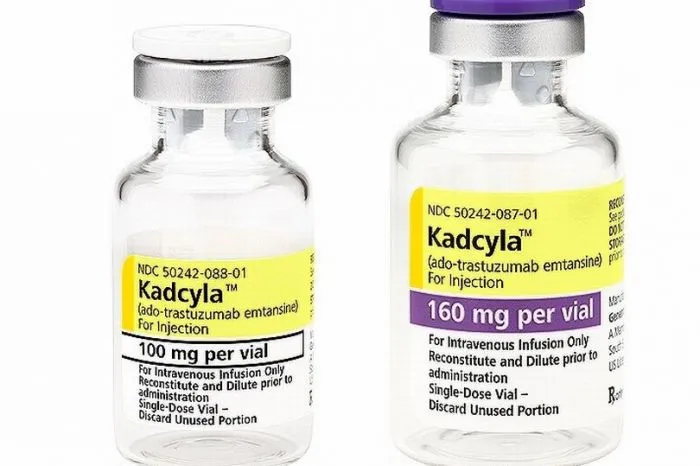 Figure 1
 Figure 2
 Figure 3
 Figure 4