
(Ovarian Cancer) Does Keytruda Show Better Efficacy in Patients with High PD-L1 Expression?
Medical Supporter — إشعار معلوماتي
هذه المقالة ملخص لمعلومات طبية دولية وليست نصيحة طبية، ولا يمكن أن تحل محل تشخيص طبيبك المعالج أو خطة العلاج. المعلومات المعروضة مجمّعة من منشورات عامة وبيانات رسمية لكبرى المؤسسات الطبية اليابانية؛ وتختلف ملاءمة ونتائج أي علاج من مريض لآخر ويجب أن يقيّمها طبيب مؤهل لكل حالة على حدة.
- July 5, 2019
- Read time: 2 minutes
On May 2, 2019, the medical journal Annals of Oncology published "Efficacy and safety validation of anti-PD-1 antibody pembrolizumab (Keytruda) in the KEYNOTE-100 Phase 2 clinical trial in recurrent epithelial ovarian cancer, fallopian tube cancer, and primary peritoneal cancer patients."
The KEYNOTE-100 Phase 2 clinical trial administered anti-PD-1 antibody pembrolizumab 200 mg monotherapy every 3 weeks to recurrent epithelial ovarian cancer, fallopian tube cancer, and primary peritoneal cancer patients (N=376) until disease progression, adverse reactions, or 2 years of treatment. The primary endpoints during this period were objective response rate and objective response rate by PD-L1 expression level. Secondary endpoints included duration of response, disease control rate, and safety. PD-L1 expression was calculated using the CPS formula: CPS = (PD-L1-positive tumor cells + lymphocytes + macrophages) / (total cell count × 100).
Patients were divided into two cohorts for this observational study:
Cohort A (N=285): 1–3 prior lines of treatment, including treatment-free intervals and platinum-based treatment restarted 3–12 months after the end of prior platinum therapy.
Cohort B (N=91): 4–6 prior lines of treatment, including treatment-free intervals and platinum-based treatment restarted 3 or more months after the end of prior platinum therapy.
Trial results showed that the primary endpoint objective response rate was: Cohort A 7.4% / Cohort B 9.9%. Duration of response was: Cohort A 8.2 months / Cohort B not reached. Disease control rate was: Cohort A 37.2% / Cohort B 37.4%. The other primary endpoint, objective response rate by PD-L1 expression standard, was: CPS <1: 4.1%, CPS ≥1: 5.7%, CPS ≥10: 10.0%.
Other evaluation endpoint progression-free survival was: Cohort A 2.1 months / Cohort B 2.1 months. Overall survival was: Cohort A not reached / Cohort B 17.6 months. Regarding safety, the adverse events confirmed in ovarian cancer patients in this Keytruda monotherapy trial were consistent with those observed in other clinical trials, with no new adverse events emerging.
Based on the KEYNOTE-100 trial results, A. Matulonis concluded: Anti-PD-1 antibody pembrolizumab demonstrated a certain degree of antitumor activity in recurrent epithelial ovarian cancer, fallopian tube cancer, and primary peritoneal cancer patients. In particular, better efficacy was observed in patients with high PD-L1 expression.
Source: Antitumor Activity and Safety of Pembrolizumab in Patients with Advanced Recurrent Ovarian Cancer: Results from the Phase 2 KEYNOTE-100 Study (Annals of Oncology, mdz135)
Medical Supporter was formerly certified as an international medical visa guarantor by Japan's Ministry of Foreign Affairs and the Ministry of Economy, Trade and Industry (B-066).
هل تفكر في تلقّي العلاج في اليابان؟ هل تحتاج إلى معلومات ومساعدة؟
نساعدك في تنظيم المعلومات اللازمة للسفر الطبي إلى اليابان، والتواصل مع المؤسسات الطبية اليابانية، وترتيب استشارة رأي ثانٍ.الاستشارة الأولى مجانية؛ سيساعدك المستشار على توضيح الخطوات التالية.
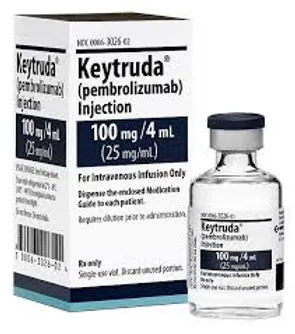 Figure 1
 Figure 2
 Figure 3
 Figure 4