Can Macrophages Be Used to Treat Cancer?
Medical Supporter — إشعار معلوماتي
هذه المقالة ملخص لمعلومات طبية دولية وليست نصيحة طبية، ولا يمكن أن تحل محل تشخيص طبيبك المعالج أو خطة العلاج. المعلومات المعروضة مجمّعة من منشورات عامة وبيانات رسمية لكبرى المؤسسات الطبية اليابانية؛ وتختلف ملاءمة ونتائج أي علاج من مريض لآخر ويجب أن يقيّمها طبيب مؤهل لكل حالة على حدة.
A friend with lung cancer asked whether there were other immunotherapy options available. We have long been discussing dendritic cells, NK cells, T cells, and peptide vaccines. As many of you know, we are constantly searching for information on cancer treatments and will share new findings as quickly as possible. All information comes from medical institutions or academic organizations, and Medical Supporter compiles and translates the content for our readers.
The following article is excerpted from The Therapeutic Potential of Macrophage Activation, authored by Richard B. Johnston Jr., MD, summarized and translated by Zhao'e Huang. You can find the original text here. It discusses the "therapeutic potential of activating macrophages," and we share an excerpt from the introduction:
Quote:
Macrophages are at the core of the human immune system. Other immune cells are influenced by them and become more active and potent. Macrophages can directly engulf foreign substances or indirectly modify immune system function. Therefore, enhancing the use of macrophage capabilities will improve treatment for many conditions.
A comprehensive understanding of the delicate and complex interactions among immune cells will enable physicians to skillfully use drugs to influence macrophages and even the immune system as a whole. Because macrophages are involved in many diseases — autoimmunity, wound healing, and cancer — targeting macrophages therapeutically holds great promise.
Activated macrophages can secrete many biologically active factors that influence biological processes both at and distant from the site of infection. Some of these factors act in an autocrine manner, regulating macrophage activity itself. "Up-regulation" means these factors make macrophages more active and responsive, while "down-regulation" does the opposite. This explains why macrophages, when stimulated by pathogens or endotoxins, can self-activate — without T cell assistance — and immediately destroy pathogens and cancer cells. Understanding this self-regulation — a type of biological feedback control — may open new avenues in clinical application. When the invading foreign body is one the immune system has not encountered before, macrophages serve as the primary first-line defense. They engulf the foreign body, secrete enzymes to break it down, and then display its antigens on their surface. T cells then contact these antigens and become activated, proliferating to eliminate the foreign body. Activated T cells can also secrete lymphokines to activate macrophages, creating a cycle that strengthens the entire immune system. Thus, macrophage-T cell interaction is central to cellular immunity and also serves as a bridge to humoral and long-term immunity.
How does this actually work?
We found the following diagram on Wikipedia showing the phagocytosis mechanism of macrophages, which proceeds in three steps (a, b, c):
a. The phagosome engulfs the foreign substance.
b. The phagosome fuses with lysosomes to form a phagolysosome, and the foreign substance is digested and destroyed by enzymes.
c. The residue is expelled from the cell (or digested).
The components involved are: 1. Foreign substance (pathogen), 2. Phagosome, 3. Lysosome, 4. Residue, 5. Cytoplasm, 6. Cell membrane.
As mentioned in the article, when macrophages fail to recognize and engulf cancer cells, they lose their effectiveness. To counter this inactivation caused by macrophage factor failure, some overseas researchers use proteins extracted from the body. For example, MAF (macrophage activating factor), in which the Gc protein is an important factor for activating macrophages, known as GcMAF. Interested readers may search for more information on this topic.
Currently, some medical institutions in the United States and Japan are pursuing this type of therapy. We will introduce it in future articles.
Medical Supporter was formerly certified as an international medical visa guarantor by Japan's Ministry of Foreign Affairs and the Ministry of Economy, Trade and Industry (B-066).
هل تفكر في تلقّي العلاج في اليابان؟ هل تحتاج إلى معلومات ومساعدة؟
نساعدك في تنظيم المعلومات اللازمة للسفر الطبي إلى اليابان، والتواصل مع المؤسسات الطبية اليابانية، وترتيب استشارة رأي ثانٍ.الاستشارة الأولى مجانية؛ سيساعدك المستشار على توضيح الخطوات التالية.
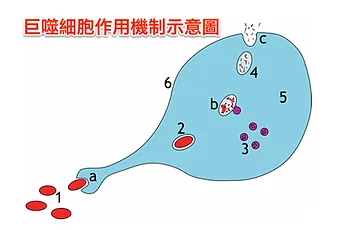 Figure 1
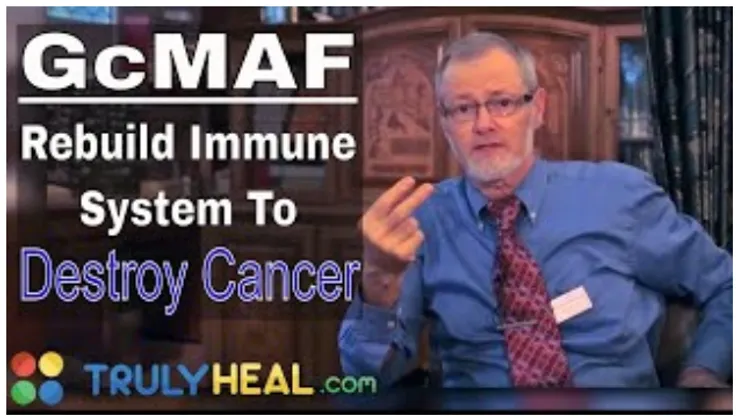 Figure 2
 Figure 3
 Figure 4
 Figure 5