![[Lung Cancer Precision Medicine] Targeting MET Alterations: Tepotinib Demonstrates Strong Antitumor Activity in the V...](/images/blog/lungcancerusetepotinib-0.webp)
[Lung Cancer Precision Medicine] Targeting MET Alterations: Tepotinib Demonstrates Strong Antitumor Activity in the VISION Trial
Medical Supporter — إشعار معلوماتي
هذه المقالة ملخص لمعلومات طبية دولية وليست نصيحة طبية، ولا يمكن أن تحل محل تشخيص طبيبك المعالج أو خطة العلاج. المعلومات المعروضة مجمّعة من منشورات عامة وبيانات رسمية لكبرى المؤسسات الطبية اليابانية؛ وتختلف ملاءمة ونتائج أي علاج من مريض لآخر ويجب أن يقيّمها طبيب مؤهل لكل حالة على حدة.
Tepotinib: A Tailored Treatment for MET Exon 14 Skipping Mutations
Among the genomic landscape of non-small cell lung cancer (NSCLC), "MET exon 14 skipping" mutations account for approximately 3–4% and occur more frequently in elderly patients. Results from the VISION trial, published in the New England Journal of Medicine (NEJM), demonstrated that the highly selective MET inhibitor Tepotinib provides an effective and well-tolerated monotherapy option for this patient population.
1. VISION Trial: Encouraging Response Data
This global Phase 2 trial enrolled 152 patients with advanced MET exon 14 skipping mutations and treated them with Tepotinib 500 mg once daily.
Key Clinical Endpoints:
- Objective Response Rate (ORR): 46% overall — representing meaningful tumor shrinkage in nearly half of all patients
- Duration of Response (DoR): Median 11.1 months — demonstrating durable, sustained remission
- Benefit in elderly patients: The median age of enrolled patients was 74 years; the data confirmed Tepotinib is safe and effective in this older age group
2. Safety Profile and Side Effect Management
Tepotinib's side effect profile is relatively focused and manageable:
- Peripheral edema: The most common side effect of MET inhibitors (approximately 7% Grade 3 or higher). Japanese medical teams have well-established protocols for managing edema, including dietary adjustments, compression therapy, and pharmacological intervention
- Overall tolerability: Only approximately 11% of patients discontinued treatment due to adverse events, indicating that most patients can maintain long-term therapy
3. Why MET Testing Is Critical
"No testing, no precision medicine." Japan's leading cancer centers routinely perform comprehensive genomic profiling (NGS) or liquid biopsy at initial diagnosis to accurately identify MET exon 14 mutations. Early detection of this alteration allows patients to bypass conventional chemotherapy with limited efficacy and proceed directly to highly effective targeted therapy.
Medical Supporter — Your Bridge to Japan's Lung Cancer Precision Medicine
Facing a rare genetic mutation, professional interpretation and access to the right medication are critical to survival. The Medical Supporter team can assist you with medical record and genomic report translation, arrange appointments with Japan's leading MET treatment specialists, and help you access the latest targeted therapy options in a timely manner.
Medical Supporter was formerly certified as an international medical visa guarantor by Japan's Ministry of Foreign Affairs and the Ministry of Economy, Trade and Industry (B-066).
هل تفكر في تلقّي العلاج في اليابان؟ هل تحتاج إلى معلومات ومساعدة؟
نساعدك في تنظيم المعلومات اللازمة للسفر الطبي إلى اليابان، والتواصل مع المؤسسات الطبية اليابانية، وترتيب استشارة رأي ثانٍ.الاستشارة الأولى مجانية؛ سيساعدك المستشار على توضيح الخطوات التالية.
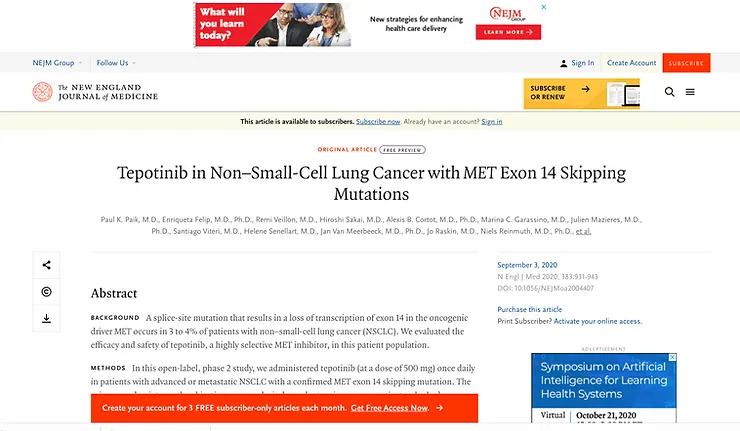 Figure 1
 Figure 2
 Figure 3
 Figure 4