Work Notes: University of Tokyo Institute of Medical Science Hospital
Medical Supporter — إشعار معلوماتي
هذه المقالة ملخص لمعلومات طبية دولية وليست نصيحة طبية، ولا يمكن أن تحل محل تشخيص طبيبك المعالج أو خطة العلاج. المعلومات المعروضة مجمّعة من منشورات عامة وبيانات رسمية لكبرى المؤسسات الطبية اليابانية؛ وتختلف ملاءمة ونتائج أي علاج من مريض لآخر ويجب أن يقيّمها طبيب مؤهل لكل حالة على حدة.
- November 2, 2017
- Read time: 2 minutes
In Japan, the most well-known cancer treatment center is the Cancer Institute Hospital of Japanese Foundation for Cancer Research (Juntendo Ariake Hospital), which ranks among the top in patient volume across various cancer types. Following closely are the National Cancer Center, University of Tokyo, Kyoto University, and others. Unlike others, Medical Supporter has taken a different approach from the start — beginning with clinical trial assistance, with coverage extending beyond a single prefecture. From the Kanto, Kansai, and Kyushu regions, we have conducted thorough surveys of immunotherapy clinical data across Japan, giving us a deeper understanding of Japanese medical institutions. This time, we received a request from a gastric cancer patient who wanted to seek a second opinion at the University of Tokyo to explore whether better treatment options were available. I contacted an acquaintance physician and accompanied the patient to the University of Tokyo Institute of Medical Science Hospital.
The weather in Tokyo these past few days has been quite pleasant — aside from a bit of wind, nothing problematic. Still, traveling is tiring for patients, so we arranged accommodation near the hospital whenever possible.
Just a short walk from the entrance, you arrive at the University of Tokyo Institute of Medical Science Hospital building — doesn't it resemble National Taiwan University Hospital a little? The main difference is that this facility operates on an appointment-only basis, which allows physicians ample time to thoroughly review each patient's condition and provide comprehensive treatment recommendations.
The patient was in good spirits, though I, the accompanying staff, was quite tense — I even shook a little while sneaking a photo! A simple sign by the entrance, but stepping inside was a whole different world!
The interior is quite modern! The main hall had very few patients waiting in queues. The appointment system truly makes a difference!
Since there were other patients inside, I refrained from taking photos.
After this experience accompanying the patient, the University of Tokyo Institute of Medical Science Hospital has definitely become one of the options we can recommend for treatment!
Accompanying patients also brings many unexpected situations — patients experiencing chills from chemotherapy side effects, hand-foot discomfort, special dietary needs, and so on. It became clear just how important it is to have good coordination with the hospital side. Simple things like arranging a wheelchair in advance, knowing where to transport a patient in an emergency, or having an oxygen tank on standby...
Seeking medical treatment in Japan — is it complicated? Actually, it's quite simple. But every patient's condition and needs differ, so we provide tailored assistance. We always prepare our very best to give patients a worry-free and comfortable medical journey to Japan!
Medical Supporter was formerly certified as an international medical visa guarantor by Japan's Ministry of Foreign Affairs and the Ministry of Economy, Trade and Industry (B-066).
هل تفكر في تلقّي العلاج في اليابان؟ هل تحتاج إلى معلومات ومساعدة؟
نساعدك في تنظيم المعلومات اللازمة للسفر الطبي إلى اليابان، والتواصل مع المؤسسات الطبية اليابانية، وترتيب استشارة رأي ثانٍ.الاستشارة الأولى مجانية؛ سيساعدك المستشار على توضيح الخطوات التالية.
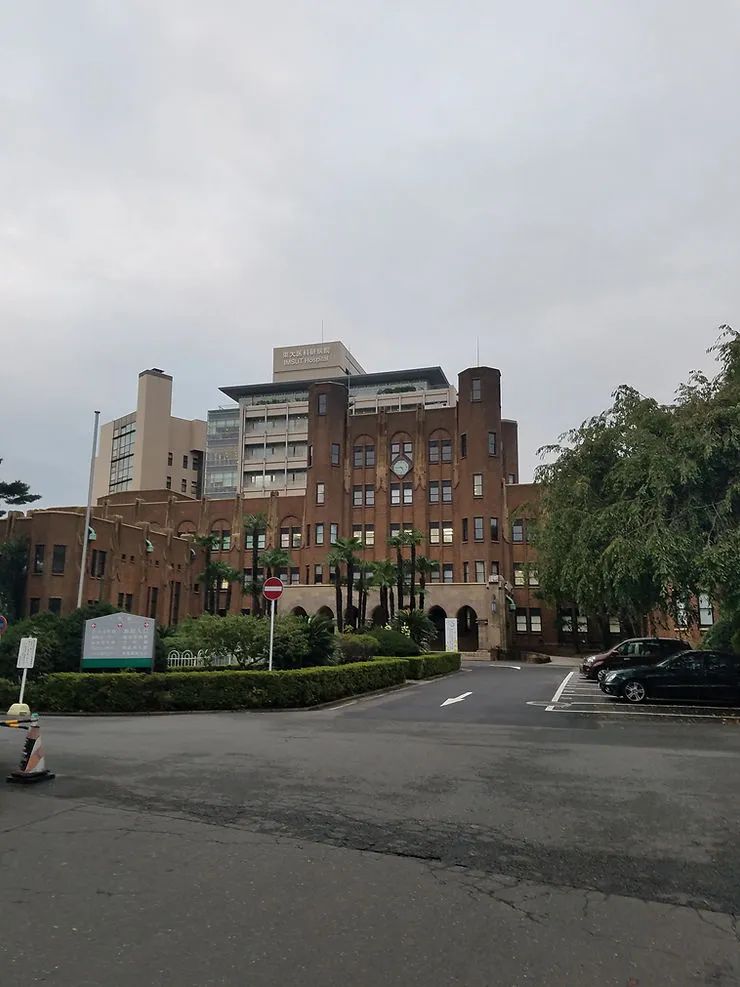 Figure 1
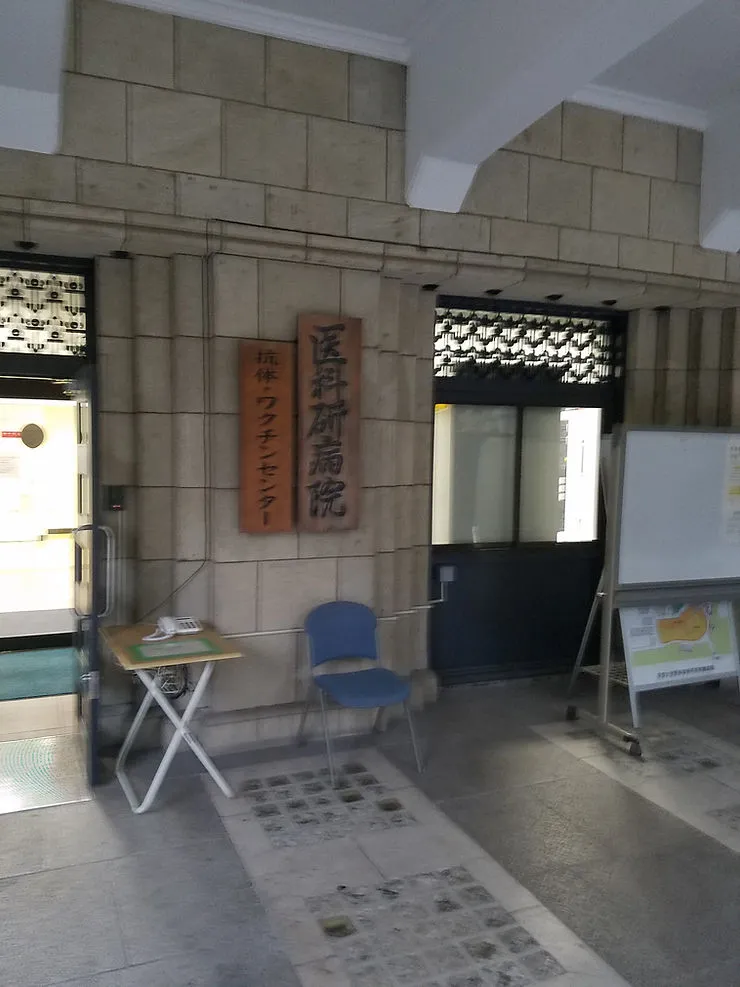 Figure 2
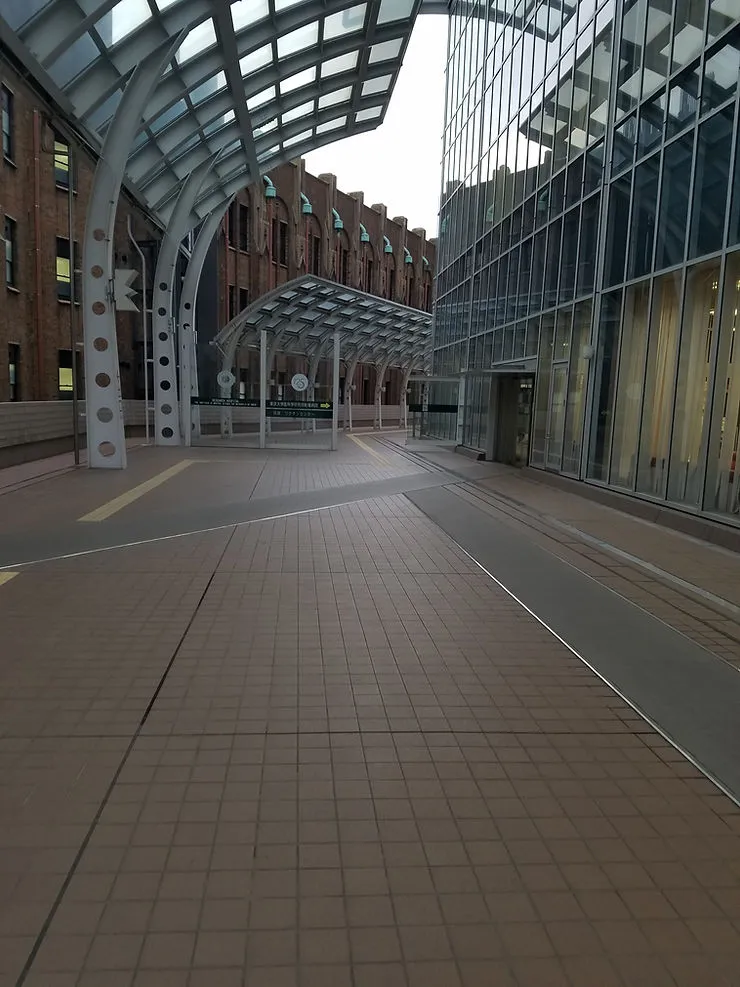 Figure 3
 Figure 4
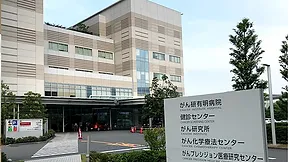 Figure 5
 Figure 6