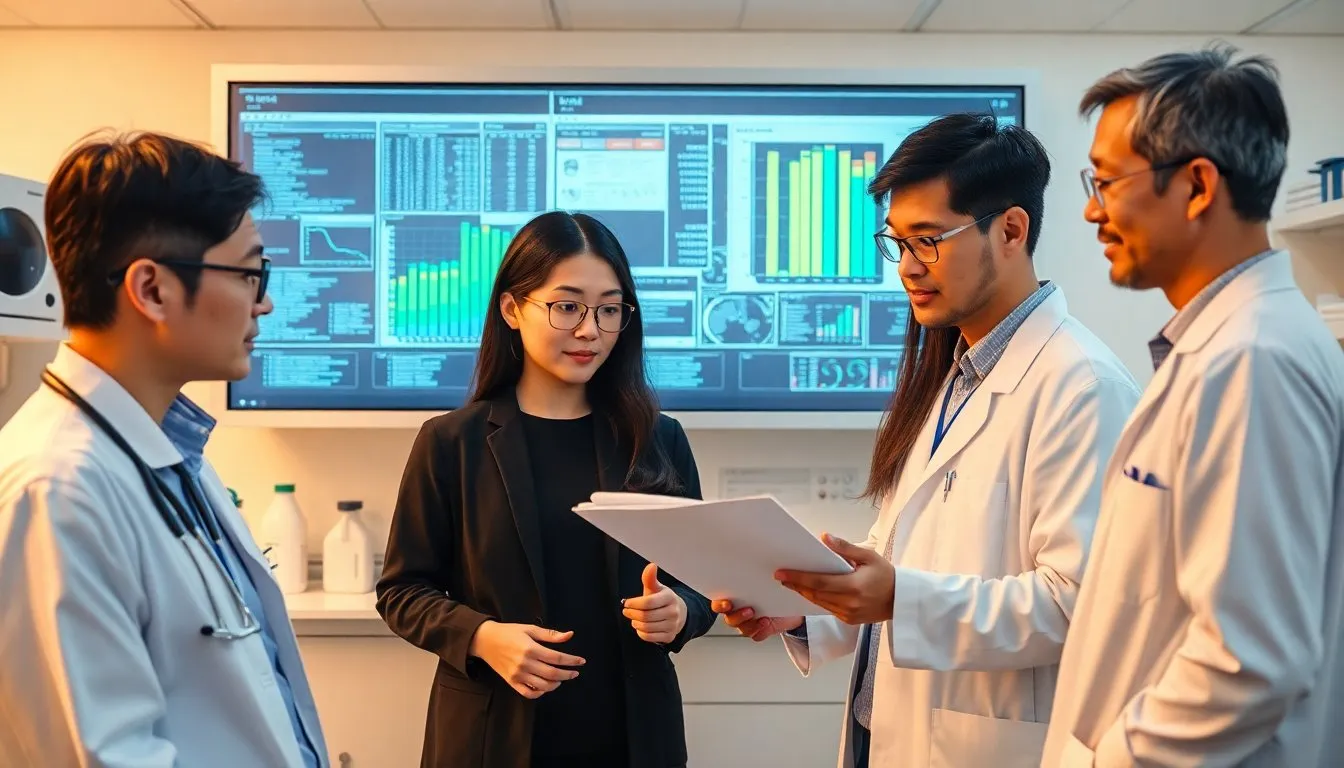
(Glioma) Oncolytic Virus Therapy for Cancer Treatment Now Available in Japan
Medical Supporter — إشعار معلوماتي
هذه المقالة ملخص لمعلومات طبية دولية وليست نصيحة طبية، ولا يمكن أن تحل محل تشخيص طبيبك المعالج أو خطة العلاج. المعلومات المعروضة مجمّعة من منشورات عامة وبيانات رسمية لكبرى المؤسسات الطبية اليابانية؛ وتختلف ملاءمة ونتائج أي علاج من مريض لآخر ويجب أن يقيّمها طبيب مؤهل لكل حالة على حدة.
- November 8, 2021
- Reading time: 1 minute
On November 1, 2021, Daiichi Sankyo announced the commercial launch in Japan of teserpaturev, an oncolytic virus drug for treating malignant glioma.
Teserpaturev is a cancer treatment virus drug co-developed with Professor Tomoki Todo of the Institute of Medical Science at the University of Tokyo. Its manufacturing and marketing approval was granted based on a Phase 2 clinical trial led by Professor Todo in patients with malignant glioma.
Dosing Schedule for Adult Malignant Glioma Patients
- 1st and 2nd administrations: Treatment cycle of 5–14 days
- 3rd through 6th administrations: Treatment cycle of every 4 weeks
Daiichi Sankyo stated: "We hope this product will provide a new treatment option for malignant glioma patients with unmet medical needs, thereby contributing to patients' well-being."
In June 2021, teserpaturev received conditional and time-limited manufacturing and marketing authorization as a regenerative medicine product for treating malignant glioma. It is currently only available at clinical trial institutions.
Source: https://www.daiichisankyo.co.jp/files/news/pressrelease/pdf/202111/20211101_J.pdf
- Clinical trial drug
Medical Supporter was formerly certified as an international medical visa guarantor by Japan's Ministry of Foreign Affairs and the Ministry of Economy, Trade and Industry (B-066).
هل تفكر في تلقّي العلاج في اليابان؟ هل تحتاج إلى معلومات ومساعدة؟
نساعدك في تنظيم المعلومات اللازمة للسفر الطبي إلى اليابان، والتواصل مع المؤسسات الطبية اليابانية، وترتيب استشارة رأي ثانٍ.الاستشارة الأولى مجانية؛ سيساعدك المستشار على توضيح الخطوات التالية.
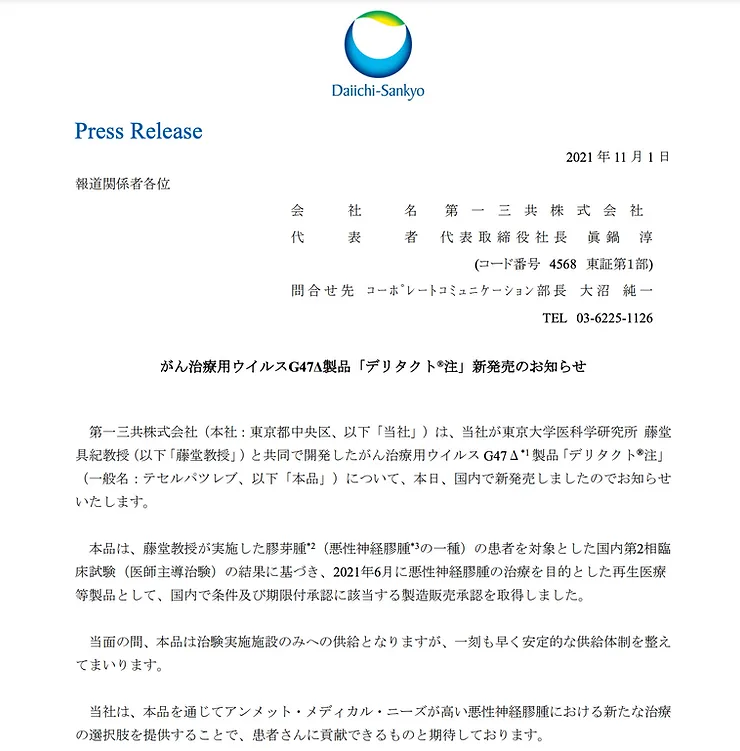 Figure 1
 Figure 2
 Figure 3
 Figure 4