
(Gastric Cancer / Colorectal Cancer) What Is the Objective Response Rate of Regorafenib + Nivolumab Therapy?
Medical Supporter — إشعار معلوماتي
هذه المقالة ملخص لمعلومات طبية دولية وليست نصيحة طبية، ولا يمكن أن تحل محل تشخيص طبيبك المعالج أو خطة العلاج. المعلومات المعروضة مجمّعة من منشورات عامة وبيانات رسمية لكبرى المؤسسات الطبية اليابانية؛ وتختلف ملاءمة ونتائج أي علاج من مريض لآخر ويجب أن يقيّمها طبيب مؤهل لكل حالة على حدة.
- July 29, 2019
- Read time: 2 minutes
From May 31 to June 4, 2019, researchers at the Saint Luke's International Hospital in Tokyo presented at the American Society of Clinical Oncology (ASCO 2019) in Chicago, USA, the "Safety and efficacy validation of simultaneous combination of multikinase inhibitor regorafenib + anti-PD-1 antibody nivolumab therapy in unresectable gastric and colorectal cancer patients who did not respond to standard treatment, in the REGONIVO Phase 1b clinical trial."
This Phase 1b trial enrolled unresectable gastric and colorectal cancer patients who did not respond to standard treatment, using a 28-day cycle with once-daily regorafenib 80–160 mg on Days 1–21 + biweekly nivolumab 3.0 mg/kg. The primary endpoint was maximum tolerated dose, and secondary endpoints were objective response rate, progression-free survival, and overall survival.
The rationale for this trial was that immunosuppressive cells such as regulatory T cells and tumor-associated macrophages may confer resistance to anti-PD-1 antibody drugs. As multikinase inhibitor regorafenib had been shown in preclinical studies to reduce tumor-associated macrophages, simultaneous combination with anti-PD-1 antibody drugs might enhance antitumor effects.
During the dose escalation phase, once-daily regorafenib 160 mg caused dose-limiting toxicity in 3 patients: pneumonitis (1 patient), rash (1 patient), and intestinal perforation (1 patient). Therefore, the primary endpoint maximum tolerated dose was determined to be 120 mg. However, since skin-related adverse events still occurred with once-daily regorafenib 120 mg, the maximum tolerated dose was revised to once-daily 80 mg.
The secondary endpoint objective response rate was 40%, with cancer-type-specific rates of 44% for gastric cancer and 36% for colorectal cancer. Disease control rate was 88%. Median progression-free survival was 6.3 months, with cancer-type-specific rates of 5.8 months for gastric cancer and 6.3 months for colorectal cancer.
Based on the REGONIVO trial results, the investigators concluded: In previously treated unresectable gastric and colorectal cancer patients using multikinase inhibitor regorafenib + anti-PD-1 antibody nivolumab combination therapy, the objective response rate was 40%. Furthermore, at once-daily regorafenib 160 mg, patients were able to tolerate the adverse events; however, larger cohort studies are needed to verify efficacy.
Source: Regorafenib plus nivolumab in patients with advanced gastric (GC) or colorectal cancer (CRC): An open-label, dose-finding, and dose-expansion phase 1b trial (REGONIVO, EPOC1603). (2019 ASCO Annual Meeting, Abstract No: 2522)
Medical Supporter was formerly certified as an international medical visa guarantor by Japan's Ministry of Foreign Affairs and the Ministry of Economy, Trade and Industry (B-066).
هل تفكر في تلقّي العلاج في اليابان؟ هل تحتاج إلى معلومات ومساعدة؟
نساعدك في تنظيم المعلومات اللازمة للسفر الطبي إلى اليابان، والتواصل مع المؤسسات الطبية اليابانية، وترتيب استشارة رأي ثانٍ.الاستشارة الأولى مجانية؛ سيساعدك المستشار على توضيح الخطوات التالية.
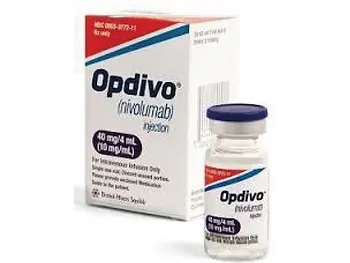 Figure 1
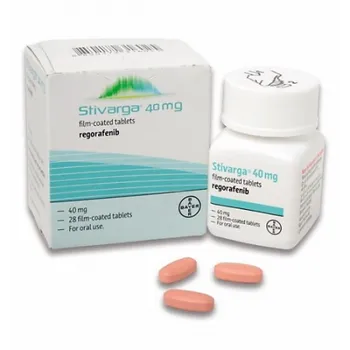 Figure 2
 Figure 3
 Figure 4
 Figure 5