
Where are the renowned hospitals for cancer treatment in Japan?
Medical Supporter — إشعار معلوماتي
هذه المقالة ملخص لمعلومات طبية دولية وليست نصيحة طبية، ولا يمكن أن تحل محل تشخيص طبيبك المعالج أو خطة العلاج. المعلومات المعروضة مجمّعة من منشورات عامة وبيانات رسمية لكبرى المؤسسات الطبية اليابانية؛ وتختلف ملاءمة ونتائج أي علاج من مريض لآخر ويجب أن يقيّمها طبيب مؤهل لكل حالة على حدة.
Seeking Specialized Care in Japan
Every patient seeking medical attention desires experienced physicians to enhance treatment accuracy and achieve optimal therapeutic outcomes. Securing an appointment with a highly reputed doctor can sometimes entail a waiting period of several weeks, or even one to two months. In recent times, there have been reports of many renowned physicians venturing into private practice, establishing their own clinics or participating in joint hospital initiatives. For instance, the highly publicized "Yi Zhe Clinic" was founded by several retired university professors. This raises questions about Japan's medical landscape: do patients, similar to those in Taiwan, primarily seek treatment at large hospitals for serious illnesses? Is there a widespread search for these celebrated doctors?
Fundamentally, the medical seeking behavior in Japan does not differ significantly from Taiwan: minor ailments are often handled by local practitioners, while major illnesses necessitate visits to larger hospitals. Indeed, upon a cancer diagnosis in Japan, most individuals will seek consultation at major medical institutions such as the Cancer Institute Hospital of Japanese Foundation for Cancer Research (がん研有明病院), the National Cancer Center (国立がんセンター), or the University of Tokyo Hospital (東大付属病院). It is also common for physicians from these leading institutions to maintain external practices, akin to their Taiwanese counterparts, offering consultations at joint hospitals or private clinics, and sometimes even holding affiliations with other facilities.
Identifying Reputable Doctors and Hospitals
You might be curious about how to find these distinguished doctors in Japan. Annually, various Japanese magazines conduct surveys and compile rankings of top hospitals for different treatments across various regions. Furthermore, governmental bodies like the Japan Statistical Bureau and the Ministry of Health, Labour and Welfare (equivalent to Taiwan's Ministry of Health and Welfare) collect comprehensive medical and demographic statistics. Integrating quantitative data can significantly aid decision-making and improve accuracy in choosing healthcare providers. However, it is crucial to avoid falling into data blind spots when interpreting these statistics.
Prestigious and authoritative publications, such as Nikkei and Weekly Asahi Mook, analyze this data annually to provide patients with valuable insights and directions for their subsequent treatment plans. While it is not mandatory to seek care at these specific institutions, navigating the medical field, much like any specialized domain, can be an unfamiliar territory for the general public. The Japanese medical industry, similar to Taiwan's, is an area that can be challenging for laypersons to fully comprehend. Medical Supporter aims to share this essential information with you, leveraging our local expertise. It is important to note that Taiwan's medical capabilities are by no means inferior; this information merely offers an additional option for consideration.
Tips for Researching Medical Institutions
Medical Supporter offers a few tips: searching "名医 癌 ランキング" (renowned doctor cancer ranking) on Google will yield numerous websites for your reference. Here's a small insight: Japan is a master of promotion, and while Medical Supporter often consults certain websites for hospital information that introduce famous hospitals or doctors, scrolling down might reveal keywords for traditional Chinese medicine, such as "Tian XXXX". Some friends have inquired about the credibility of these traditional Chinese medicine treatments. Our perspective is that while physician and hospital rankings can serve as a reference, the efficacy of traditional Chinese medicine and certain nutritional supplements depends on your familiarity with the product and whether it has passed relevant inspection and certification processes. This topic falls outside the scope of this article, so Medical Supporter will not elaborate further.
Focus on Hepatobiliary and Pancreatic Cancer Treatment
While drafting this article, a patient with liver cancer coincidentally inquired about famous hospitals and doctors in Japan, as well as any newer treatment options. In Japan, approximately 40,000 individuals are diagnosed with liver cancer annually, about 20,000 with bile duct cancer, and roughly 25,000 with pancreatic cancer. Liver cancer, in particular, is often caused by chronic hepatitis or cirrhosis resulting from hepatitis B or C virus infections. Therefore, the condition of the liver is a critical factor in determining eligibility for surgery. In early stages, doctors typically recommend surgical resection. This time, we will share the rankings for hepatobiliary and pancreatic cancer surgeries. Sometimes it is unclear how proficient a hospital truly is, but if a hospital handles a large number of patients and surgeries annually in Japan, its credibility tends to be higher. According to the Mook magazine's reported number of surgical cases, in the Kanto region, top-ranked hospitals include Nihon University Itabashi Hospital, the Cancer Institute Hospital of Japanese Foundation for Cancer Research, and Shizuoka Cancer Center. In the Kansai region, Nagoya University Hospital and Osaka City University Hospital are among those with a high volume of procedures. Kumamoto University Hospital also performs a significant number of surgeries in Kyushu.
Advanced Treatments Like Heavy Ion Therapy
Furthermore, advanced facilities like heavy ion therapy, which are still under construction in Taiwan, are currently only available for treatment in Japan. Many Taiwanese patients travel to Chiba for this radiation therapy. It is important to note that eligibility for treatment requires evaluation by the hospital's physician; therefore, submitting medical records for review is a prerequisite to determine the subsequent treatment process.
Personalized Consultation is Key
Finally, many individuals consulting us want to know which hospitals have more renowned doctors, or which treatment methods are particularly effective. What are the success rates and efficacy? This requires personalized inquiry and research based on each patient's specific physical condition. Some doctors specialize in bile duct surgery, while others focus on radiation therapy, hence recommendations are tailored to the patient's situation. Additionally, in Japan, consultations regarding treatment often necessitate a visit to Japan for an in-person examination by a physician before treatment recommendations can be provided.
Medical Supporter was formerly certified as an international medical visa guarantor by Japan's Ministry of Foreign Affairs and the Ministry of Economy, Trade and Industry (B-066).
هل تفكر في تلقّي العلاج في اليابان؟ هل تحتاج إلى معلومات ومساعدة؟
نساعدك في تنظيم المعلومات اللازمة للسفر الطبي إلى اليابان، والتواصل مع المؤسسات الطبية اليابانية، وترتيب استشارة رأي ثانٍ.الاستشارة الأولى مجانية؛ سيساعدك المستشار على توضيح الخطوات التالية.
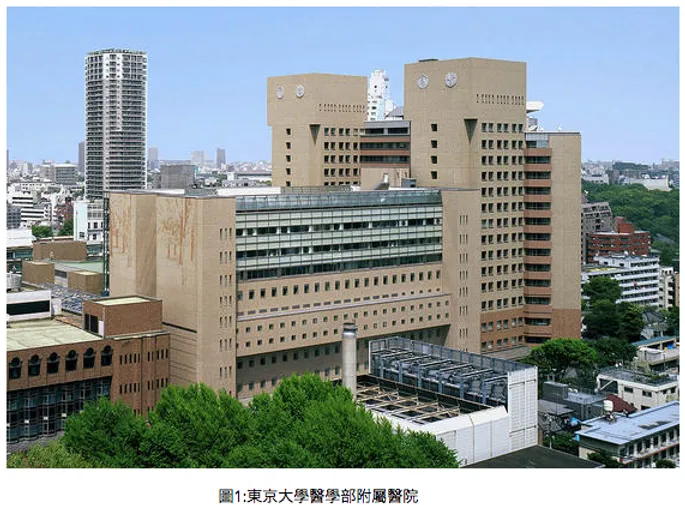 Figure 1
 Figure 2
 Figure 3
 Figure 4