
Atezolizumab ESMO 2016: OAK Trial Results in Non-Small Cell Lung Cancer
Medical Supporter — ประกาศข้อมูล
บทความนี้เป็นการสรุปข้อมูลทางการแพทย์ระหว่างประเทศ ไม่ใช่คำแนะนำทางการแพทย์ และไม่สามารถใช้แทนการวินิจฉัยหรือแผนการรักษาของแพทย์ผู้ดูแลของคุณได้ ข้อมูลที่นำเสนอรวบรวมจากเอกสารสาธารณะและคำชี้แจงอย่างเป็นทางการของสถาบันการแพทย์ชั้นนำของญี่ปุ่น ความเหมาะสมและผลของการรักษาแต่ละแบบแตกต่างกันไปในผู้ป่วยแต่ละราย และต้องได้รับการประเมินเป็นรายบุคคลโดยแพทย์ที่มีคุณสมบัติ
At the European Society for Medical Oncology (ESMO) 2016 Congress, Dr. Fabrice Barlesi from Aix-Marseille University presented the groundbreaking results of the Phase 3 OAK trial. This study compared Atezolizumab (Tecentriq), an anti-PD-L1 antibody, with Docetaxel (standard chemotherapy) in patients with advanced or metastatic non-small cell lung cancer (NSCLC) who had previously received platinum-based chemotherapy.
Study Design: OAK Phase 3 Trial
The OAK trial enrolled 1,225 patients with metastatic NSCLC who had failed one or two prior lines of systemic therapy. Participants were randomized 1:1 to receive either:
- Atezolizumab: 1,200 mg intravenously every three weeks.
- Docetaxel: 75 mg/m² intravenously every three weeks.
The primary endpoint was overall survival (OS).
Key Survival Findings
With a median follow-up of 19 months, the trial achieved its primary goal:
- Median OS: 13.8 months for Atezolizumab vs. 9.6 months for Docetaxel—a survival benefit of approximately 4 months.
- 12-Month OS Rate: 55% (Atezolizumab) vs. 41% (Docetaxel).
- 18-Month OS Rate: 40% (Atezolizumab) vs. 27% (Docetaxel).
Impact of PD-L1 Expression
The benefit of Atezolizumab was observed regardless of PD-L1 expression levels:
- PD-L1 Negative (TC0/IC0): Median OS was 12.6 months for Atezolizumab vs. 8.9 months for Docetaxel.
- High PD-L1 Expression (TC3/IC3): Median OS significantly extended to 20.5 months with Atezolizumab vs. 8.9 months with Docetaxel.
Safety and Durability
Atezolizumab demonstrated a more favorable safety profile compared to Docetaxel. Adverse events reported in the Atezolizumab group included pneumonitis (1%), hepatitis (0.3%), and colitis (0.3%). Notably, 20.5% of patients in the Atezolizumab group remained on treatment for more than 12 months, indicating a durable response for many participants.
Conclusion
The OAK trial results established Atezolizumab as a potent second-line treatment option for NSCLC, offering superior survival and better tolerability than standard Docetaxel chemotherapy, independent of the patient's PD-L1 status.
#LungCancer #NSCLC #Atezolizumab #Tecentriq #ESMO2016 #OAKTrial #Immunotherapy
กำลังพิจารณาเดินทางไปรักษาที่ญี่ปุ่น? ต้องการข้อมูลและความช่วยเหลือไหม?
เราช่วยคุณจัดเตรียมข้อมูลที่จำเป็นสำหรับการเดินทางไปรักษาที่ญี่ปุ่น ติดต่อสถาบันการแพทย์ญี่ปุ่น และจัดการปรึกษาความเห็นที่สองการปรึกษาครั้งแรกฟรี ที่ปรึกษาจะช่วยให้คุณเห็นขั้นตอนต่อไปชัดเจน
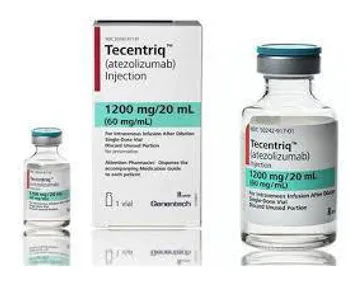 Figure 1
 Figure 2
 Figure 3
 Figure 4