
ALK-Positive NSCLC: Alectinib Real-World First-Line Outcomes
Medical Supporter — ประกาศข้อมูล
บทความนี้เป็นการสรุปข้อมูลทางการแพทย์ระหว่างประเทศ ไม่ใช่คำแนะนำทางการแพทย์ และไม่สามารถใช้แทนการวินิจฉัยหรือแผนการรักษาของแพทย์ผู้ดูแลของคุณได้ ข้อมูลที่นำเสนอรวบรวมจากเอกสารสาธารณะและคำชี้แจงอย่างเป็นทางการของสถาบันการแพทย์ชั้นนำของญี่ปุ่น ความเหมาะสมและผลของการรักษาแต่ละแบบแตกต่างกันไปในผู้ป่วยแต่ละราย และต้องได้รับการประเมินเป็นรายบุคคลโดยแพทย์ที่มีคุณสมบัติ
Real-World Evidence Analysis
- October 22, 2019
Data presented at the 2019 European Society for Medical Oncology Congress demonstrated real-world outcomes of alectinib versus crizotinib and ceritinib in untreated ALK-positive NSCLC patients (n=420).
Study Design
Patient Population: Untreated ALK-positive NSCLC (n=420)
Treatment Cohorts:
- Alectinib (n=98)
- Crizotinib (n=4)
- Ceritinib (n=318)
Endpoints: Progression-free survival, overall survival, treatment continuation
Key Results
Median Progression-Free Survival:
- Alectinib: Not reached
- Crizotinib: 5.06 months
- Ceritinib: 6.41 months
6-Month PFS Rates:
- Alectinib: 83%
- Crizotinib: 50%
- Ceritinib: 55%
12-Month PFS Rates:
- Alectinib: 68%
- Crizotinib: 25%
- Ceritinib: 36%
Overall Survival:
- Alectinib median OS: Not reached
- Superior outcomes across survival metrics
Clinical Conclusions
Real-world analysis confirms alectinib efficacy in first-line ALK-positive NSCLC, with sustained progression-free and overall survival superior to earlier-generation ALK inhibitors.
Data Source
Roche ESMO 2019 presentation: Alecensa in first-line ALK-positive NSCLC
Medical Supporter was formerly certified as an international medical visa guarantor by Japan's Ministry of Foreign Affairs and the Ministry of Economy, Trade and Industry (B-066).
กำลังพิจารณาเดินทางไปรักษาที่ญี่ปุ่น? ต้องการข้อมูลและความช่วยเหลือไหม?
เราช่วยคุณจัดเตรียมข้อมูลที่จำเป็นสำหรับการเดินทางไปรักษาที่ญี่ปุ่น ติดต่อสถาบันการแพทย์ญี่ปุ่น และจัดการปรึกษาความเห็นที่สองการปรึกษาครั้งแรกฟรี ที่ปรึกษาจะช่วยให้คุณเห็นขั้นตอนต่อไปชัดเจน
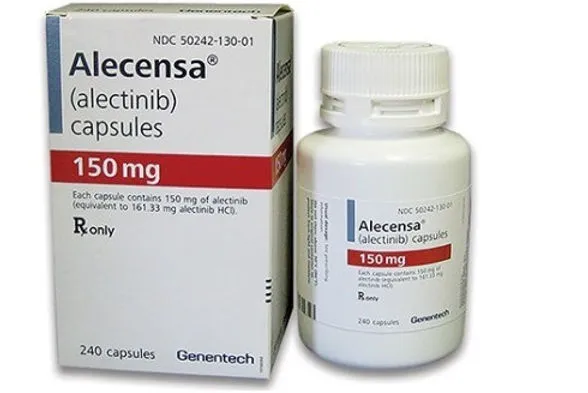 Figure 1
 Figure 2
 Figure 3
 Figure 4