
WT1 Peptide Cancer Vaccine for Glioma
Medical Supporter — ประกาศข้อมูล
บทความนี้เป็นการสรุปข้อมูลทางการแพทย์ระหว่างประเทศ ไม่ใช่คำแนะนำทางการแพทย์ และไม่สามารถใช้แทนการวินิจฉัยหรือแผนการรักษาของแพทย์ผู้ดูแลของคุณได้ ข้อมูลที่นำเสนอรวบรวมจากเอกสารสาธารณะและคำชี้แจงอย่างเป็นทางการของสถาบันการแพทย์ชั้นนำของญี่ปุ่น ความเหมาะสมและผลของการรักษาแต่ละแบบแตกต่างกันไปในผู้ป่วยแต่ละราย และต้องได้รับการประเมินเป็นรายบุคคลโดยแพทย์ที่มีคุณสมบัติ
Immunotherapy is considered the "fourth treatment" alongside surgery, radiotherapy, and chemotherapy. Research at Osaka University Graduate School of Medicine found that WT1 is detected in a high proportion of various tumors. Consequently, in 2001, they began translational research on the WT1 peptide cancer vaccine. To date, over 800 patients with various solid tumors (besides leukemia) have received the vaccine. No serious side effects have been reported, and significant effectiveness has been shown in difficult-to-treat solid tumors such as leukemia, pancreatic cancer, and brain tumors.
-
In 2010, it was discovered that for patients with malignant glioma treated with radiotherapy and Temozolomide, the first-phase clinical trial of the WT1 peptide cancer vaccine showed a 2-year survival rate of 100% and a 5-year survival rate of 57%. Compared to the standard treatment's 2-year survival rate of 25% and 5-year survival rate of less than 10%, the combination with the WT1 cancer vaccine has garnered significant attention.
-
Similarly, for patients with recurrent malignant glioma, a clinical trial was conducted using a "cocktail" cancer vaccine mixing WT1 killer peptide and WT1 helper peptide. This trial also involved inducing WT1-specific CD8-positive T cells and WT1-specific CD4-positive T cells. Long-term continuous observation for over a year revealed highly significant immune responses.
The research laboratory also published some fundamental research findings in 2017 regarding the mechanism of action of the WT1 peptide cancer vaccine. Interested readers are welcome to refer to those materials.
Note: According to Wikipedia, translational medicine (also known as translational research) is a new paradigm that aims to bridge the gap between basic medical research and clinical treatment. The concept was first introduced by Elias A. Zerhouni, Director of the National Institutes of Health (NIH), in an article titled "US Biomedical Research-Basic, Translational, and Clinical Sciences" published in JAMA.
In the past, basic medicine, drug development, and clinical treatment were separate fields. However, advancements in biotechnology have allowed for large-scale analysis of research targets. Coupled with statistical analysis in bioinformatics, these three previously separate fields have become rapidly interconnected. This is the essence of translational medicine—applying the findings of molecular pathogenesis research directly to clinical treatment.
[Precautions] The clinical trial data and medical information translated by "Medical Supporter" are for reference only and do not constitute a recommendation for the use of any specific drugs or participation in clinical trials. Please consult with medical professionals for appropriate medical guidance. The original source text at the bottom of the article should be considered the definitive version.
Source: Osaka University Graduate School of Medicine HP http://www.med.osaka-u.ac.jp/introduction/research/endowed/immunotherapy
Medical Supporter was formerly certified as an international medical visa guarantor by Japan's Ministry of Foreign Affairs and the Ministry of Economy, Trade and Industry (B-066).
กำลังพิจารณาเดินทางไปรักษาที่ญี่ปุ่น? ต้องการข้อมูลและความช่วยเหลือไหม?
เราช่วยคุณจัดเตรียมข้อมูลที่จำเป็นสำหรับการเดินทางไปรักษาที่ญี่ปุ่น ติดต่อสถาบันการแพทย์ญี่ปุ่น และจัดการปรึกษาความเห็นที่สองการปรึกษาครั้งแรกฟรี ที่ปรึกษาจะช่วยให้คุณเห็นขั้นตอนต่อไปชัดเจน
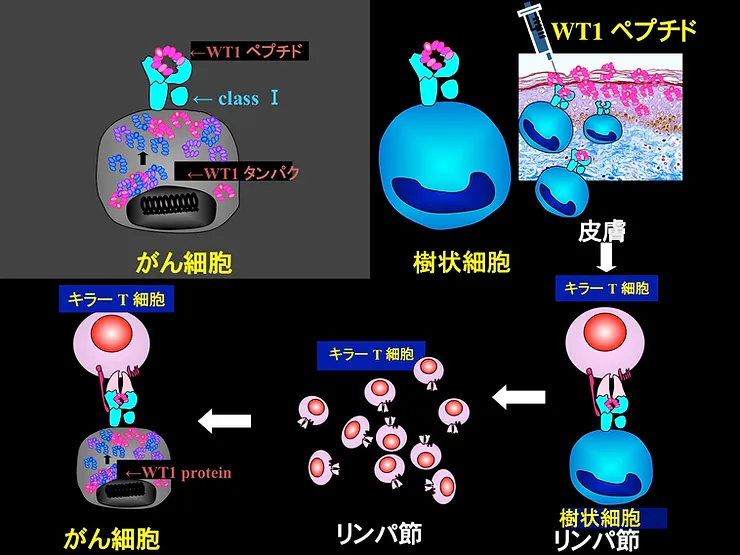 Figure 1
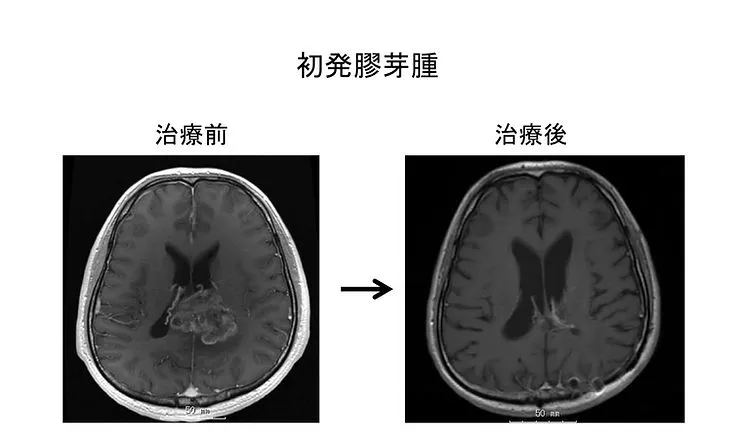 Figure 2
 Figure 3
 Figure 4
 Figure 5