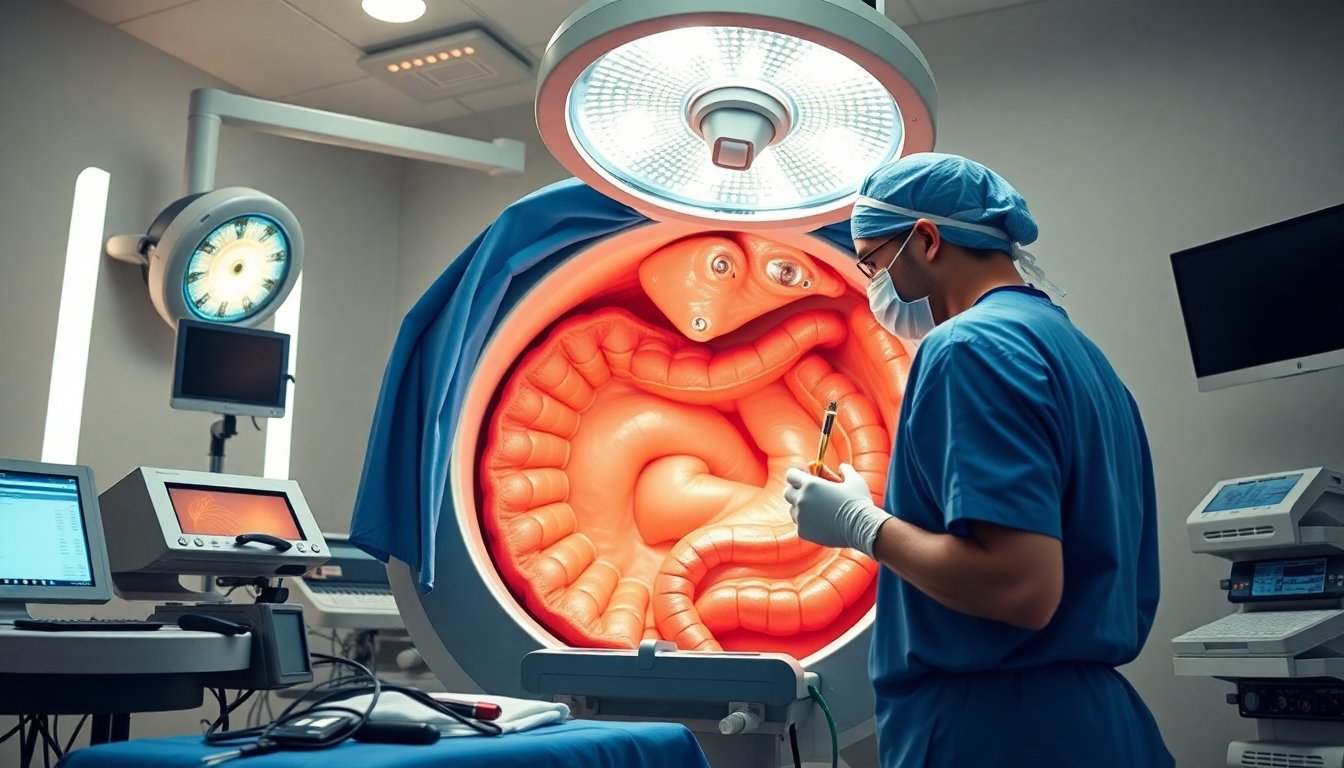
(Cancer Care) Understanding Colorectal Cancer
(Cancer Care) Understanding Colorectal Cancer
Medical Supporter — ประกาศข้อมูล
บทความนี้เป็นการสรุปข้อมูลทางการแพทย์ระหว่างประเทศ ไม่ใช่คำแนะนำทางการแพทย์ และไม่สามารถใช้แทนการวินิจฉัยหรือแผนการรักษาของแพทย์ผู้ดูแลของคุณได้ ข้อมูลที่นำเสนอรวบรวมจากเอกสารสาธารณะและคำชี้แจงอย่างเป็นทางการของสถาบันการแพทย์ชั้นนำของญี่ปุ่น ความเหมาะสมและผลของการรักษาแต่ละแบบแตกต่างกันไปในผู้ป่วยแต่ละราย และต้องได้รับการประเมินเป็นรายบุคคลโดยแพทย์ที่มีคุณสมบัติ
Formerly certified by Japan's Ministry of Foreign Affairs - Medical Visa Guarantee Organization B-66 Fukuoka Prefecture Travel Service Arrangement Business No. 35 Japan Registered Support Organization No. 19-000303 Japan Controlled Medical Device Sales and Rental Business
Formerly certified by Japan's Ministry of Foreign Affairs - Medical Visa Guarantee Organization B-66 Fukuoka Prefecture Travel Service Arrangement Business No. 35 Japan Registered Support Organization No. 19-000303 Japan Controlled Medical Device Sales and Rental Business
Japan Registered Support Organization No. 19-000303
1. What is Colorectal Cancer?
Abnormal proliferation of colon mucosal cells that invades surrounding tissues and may metastasize to other parts of the body, causing intestinal bleeding, obstruction, and damage to normal tissues.
2. Common Symptoms:
Changes in bowel habits, feeling of incomplete evacuation after bowel movements, blood in stool, abdominal cramping, decreased appetite, anorexia, weight loss, fatigue, and jaundice. Having these symptoms does not necessarily mean colorectal cancer — please consult a doctor.
3. High-Risk Groups for Colorectal Cancer:
Older age, family history, familial polyposis syndrome, history of polyps, diets high in animal fats, protein, processed foods, and low fiber intake.
4. Treatment of Colorectal Cancer:
The primary treatment is surgery. Post-surgery, adjuvant therapies may be combined, including chemotherapy, radiation therapy, and targeted therapy, to reduce local recurrence, increase survival rates, and improve quality of life.
5. Home Self-Care Guidelines:
(1) After colorectal cancer surgery, eat small frequent meals with high-calorie, high-protein, low-residue foods. Avoid whole milk, cold foods, and gas-producing foods such as beans, nuts, sweet potatoes, glutinous rice, etc., to prevent bloating. If diarrhea occurs, ensure adequate hydration and electrolyte supplementation. (2) Patients receiving chemotherapy or radiation therapy should maintain good hygiene, drink plenty of water, keep oral hygiene, and avoid public places. If unavoidable, wear a mask to reduce infection risk. (3) Engage in appropriate exercise and maintain a positive attitude. (4) Get adequate sleep and rest. (5) Attend follow-up appointments on schedule. (6) If persistent high fever, bloody stools, or severe diarrhea occurs, seek medical attention immediately.
Abnormal proliferation of colon mucosal cells that invades surrounding tissues and may metastasize to other parts of the body, causing intestinal bleeding, obstruction, and damage to normal tissues.
Changes in bowel habits, feeling of incomplete evacuation after bowel movements, blood in stool, abdominal cramping, decreased appetite, anorexia, weight loss, fatigue, and jaundice. Having these symptoms does not necessarily mean colorectal cancer — please consult a doctor.
Older age, family history, familial polyposis syndrome, history of polyps, diets high in animal fats, protein, processed foods, and low fiber intake.
The primary treatment is surgery. Post-surgery, adjuvant therapies may be combined, including chemotherapy, radiation therapy, and targeted therapy, to reduce local recurrence, increase survival rates, and improve quality of life.
(1) After colorectal cancer surgery, eat small frequent meals with high-calorie, high-protein, low-residue foods. Avoid whole milk, cold foods, and gas-producing foods such as beans, nuts, sweet potatoes, glutinous rice, etc., to prevent bloating. If diarrhea occurs, ensure adequate hydration and electrolyte supplementation.
(2) Patients receiving chemotherapy or radiation therapy should maintain good hygiene, drink plenty of water, keep oral hygiene, and avoid public places. If unavoidable, wear a mask to reduce infection risk.
(6) If persistent high fever, bloody stools, or severe diarrhea occurs, seek medical attention immediately.
Tumor Treating Fields (TTFields) generally do not affect normal cells because tumor cells have different electrical properties (conductivity and permittivity) compared to normal cells. Tumor cells have relatively higher electrical properties, making them more sensitive to external electric fields. The side effects of TTFields therapy are very minimal compared to chemotherapy, with no reports of any significant adverse effects.
The duration of TTFields therapy must be determined by a physician, who will evaluate whether to continue treatment after follow-up observations.
It is recommended to consume adequate albumin, vitamin C, flavonoids, and olive oil to support normal immune system function.
TTFields technology was developed by Professor Warsito P. Taruno and the CTech Laboratory team at Edward Technology (IDN Patent No. REGP00201200092, 2012).
(TTFields) A cancer adjuvant therapy that can be received at home.
Formerly certified by Japan's Ministry of Foreign Affairs and the Ministry of Economy, Trade and Industry - Dual-certified Medical Visa Guarantee Organization B-066. Medical Supporter provides you with a stress-free medical travel experience to Japan.
Welcome to join the [Cancer Intelligence Station - Medical Supporter] LINE bot
Copyright© 2015 Shingihou Co., Ltd. All rights reserved.
กำลังพิจารณาเดินทางไปรักษาที่ญี่ปุ่น? ต้องการข้อมูลและความช่วยเหลือไหม?
เราช่วยคุณจัดเตรียมข้อมูลที่จำเป็นสำหรับการเดินทางไปรักษาที่ญี่ปุ่น ติดต่อสถาบันการแพทย์ญี่ปุ่น และจัดการปรึกษาความเห็นที่สองการปรึกษาครั้งแรกฟรี ที่ปรึกษาจะช่วยให้คุณเห็นขั้นตอนต่อไปชัดเจน