
(Cancer Treatments) Do You Understand Their Pros and Cons?
Medical Supporter — ประกาศข้อมูล
บทความนี้เป็นการสรุปข้อมูลทางการแพทย์ระหว่างประเทศ ไม่ใช่คำแนะนำทางการแพทย์ และไม่สามารถใช้แทนการวินิจฉัยหรือแผนการรักษาของแพทย์ผู้ดูแลของคุณได้ ข้อมูลที่นำเสนอรวบรวมจากเอกสารสาธารณะและคำชี้แจงอย่างเป็นทางการของสถาบันการแพทย์ชั้นนำของญี่ปุ่น ความเหมาะสมและผลของการรักษาแต่ละแบบแตกต่างกันไปในผู้ป่วยแต่ละราย และต้องได้รับการประเมินเป็นรายบุคคลโดยแพทย์ที่มีคุณสมบัติ
- March 17, 2020
- 4 min read
Updated: March 23, 2020
Understanding Cancer Treatment — Starting With Standard Therapy
First, let us introduce standard cancer treatment. Standard treatment refers to evidence-based approaches that have been determined to be most appropriate for a given stage of disease. The three major modalities are surgery, chemotherapy, and radiation therapy. Surgery and radiation therapy directly target the tumor and its surrounding area as local treatments. Chemotherapy uses drugs that circulate through the bloodstream to attack cells throughout the body, and can be further divided into cytotoxic chemotherapy and hormone therapy.
The appropriate treatment for each patient depends on the type of cancer, disease status, and the patient's own condition and preferences. Different treatment modalities each have their advantages and disadvantages. Patients should have a basic understanding of these options and discuss with their physician before selecting the treatment they are most comfortable with.
Surgery — Cancer Metastasis Affects Treatment Outcomes
Surgery directly removes cancer cells and, when necessary, surrounding tissue and lymph nodes. If all cancer cells can be completely excised, the patient may be cured. For example, in early-stage gastric cancer without metastasis, the 5-year survival rate can approach 90%, making surgery an extremely effective treatment in such cases. However, cancer has the potential to metastasize to multiple organs throughout the body. In such cases, surgery cannot completely eradicate all cancer cells, and the size of removable tumors is limited. Furthermore, detecting small metastatic lesions during surgery is difficult, so postoperative recurrence is not uncommon.
Recently, to improve surgical outcomes, neoadjuvant chemotherapy or radiation therapy may be administered prior to surgery to shrink the tumor—a strategy known as neoadjuvant chemotherapy or chemoradiotherapy.
Advantages of Surgery:
- Complete removal of cancer cells may achieve cure.
- Minimally invasive techniques (endoscopy, laparoscopy) increasingly reduce physical burden.
Disadvantages of Surgery:
- Surgical resection imposes physical stress on the body.
- Once cancer has metastasized, surgery must be combined with other treatment modalities.
Chemotherapy — Systemic Drug Action Enhances Treatment Efficacy
Chemotherapy—including drug and hormone therapy—works by circulating medications through the bloodstream to inhibit cancer cell division and destroy cancer cells throughout the body. Unlike surgery and radiation, which only treat local areas, chemotherapy is a systemic treatment. Even when cancer has metastasized, chemotherapy can continue to be administered.
Chemotherapy has a broad range of applications and can improve outcomes for leukemia (blood cancer), malignant lymphoma, testicular cancer, and others. Depending on the patient's disease status, chemotherapy goals may include suppressing tumor growth, improving symptoms, or preventing recurrence. Chemotherapy can also be combined with other treatments or use multiple drug regimens to achieve desired outcomes.
Of course, chemotherapy's disadvantage is that drugs act throughout the body, placing a significant burden on the system. Drugs circulating systemically affect not only cancer cells but also healthy cells, causing various side effects. Therefore, preventing and managing these side effects is critically important.
Advances in Chemotherapy:
Recent years have seen remarkable progress in chemotherapy drugs. The development of molecularly targeted agents has improved treatment outcomes for previously difficult-to-treat cancers such as gastric, colorectal, and pancreatic cancer. Development of antiemetics and other supportive medications continues. Patients can now receive stronger chemotherapy drugs in outpatient settings. Combining chemotherapy with other treatments (such as concurrent radiation therapy, or preoperative chemotherapy to shrink tumors prior to surgery) can enhance efficacy and safety—and in some cases, tumors disappear completely following neoadjuvant chemotherapy.
Advantages of Chemotherapy:
- No surgical wounds.
- Applicable even when cancer has metastasized or invaded surrounding tissue.
Disadvantages of Chemotherapy:
- Prone to side effects.
- Temporary reduction in immune function and resistance.
Radiation Therapy — Multi-Modality Approach Enhances Treatment Outcomes
Radiation therapy, while a local treatment like surgery, requires no incisions and no hospitalization. It has fewer side effects than other treatments and lower costs. These advantages, combined with advances in technology, have led to a growing number of patients choosing radiation therapy.
Before and after surgery, radiation is often combined with chemotherapy and can enhance outcomes for head and neck cancer, lung cancer, esophageal cancer, cervical cancer, and prostate cancer. However, radiation therapy has limited efficacy for gastrointestinal and liver cancers and is not a primary treatment for these types. Although radiation has fewer side effects, it can still damage DNA in normal cells surrounding the tumor, and patients may experience loss of appetite, skin irritation, and other discomforts. Delayed side effects may also appear 6 months after radiation treatment, so regular follow-up is required.
Advantages of Radiation Therapy:
- No surgical wounds.
- Fewer side effects compared to other treatments.
- Lower cost.
- Works well in combination with other treatments.
Disadvantages of Radiation Therapy:
- Can damage DNA in normal cells adjacent to the tumor.
- Requires multiple treatment sessions, necessitating repeated hospital visits over a prolonged period.
- May cause delayed side effects.
Complementary (Alternative) Therapies — Consult Your Physician Before Use
Many complementary and alternative therapies exist beyond standard treatment, including immunotherapy, hyperthermia, gene therapy, physical therapy, exercise therapy, acupuncture, and traditional medicine. The actual efficacy of each approach varies by individual and must be evaluated on a case-by-case basis. From a comprehensive perspective, the choice of treatment must be tailored to what is most appropriate for each patient.
Electric Field Cancer Therapy (ECCT) — Cancer Adjuvant Treatment in Japan
ECCT is generally ineffective on normal cells because tumor cells have different electrical properties (conductivity and permittivity) than normal cells. Tumor cells are more sensitive to external electric fields. Side effects are minimal compared to chemotherapy with no major adverse events reported.
Treatment duration is determined by the physician based on clinical observation and ongoing assessment.
A diet sufficient in albumin, vitamin C, flavonoids, and olive oil is recommended to support immune system function.
ECCT technology was developed by Professor Warsito P. Taruno and the CTech Laboratory team of Edward Technology (Indonesian Patent No. REGP00201200092, 2012).
-
Cancer Care
- (NSCLC, Gastric, Pancreatic, Colorectal Cancer) ADLUMIZ: Japan's First Drug to Improve Cancer Cachexia Symptoms
- TearExo: Detect Breast Cancer From a Single Tear — Results in as Little as 10 Minutes
- (Cancer Care) Understanding Colorectal Cancer
Medical Supporter was formerly certified as an international medical visa guarantor by Japan's Ministry of Foreign Affairs and the Ministry of Economy, Trade and Industry (B-066).
กำลังพิจารณาเดินทางไปรักษาที่ญี่ปุ่น? ต้องการข้อมูลและความช่วยเหลือไหม?
เราช่วยคุณจัดเตรียมข้อมูลที่จำเป็นสำหรับการเดินทางไปรักษาที่ญี่ปุ่น ติดต่อสถาบันการแพทย์ญี่ปุ่น และจัดการปรึกษาความเห็นที่สองการปรึกษาครั้งแรกฟรี ที่ปรึกษาจะช่วยให้คุณเห็นขั้นตอนต่อไปชัดเจน
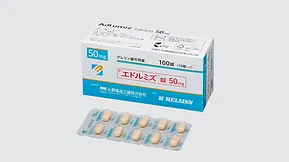 Figure 1
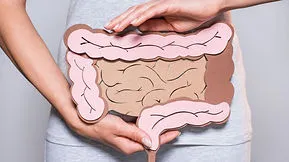 Figure 2