
(Cancer Care) Self-Assessment and Management of Cancer-Related Fatigue
Medical Supporter — ประกาศข้อมูล
บทความนี้เป็นการสรุปข้อมูลทางการแพทย์ระหว่างประเทศ ไม่ใช่คำแนะนำทางการแพทย์ และไม่สามารถใช้แทนการวินิจฉัยหรือแผนการรักษาของแพทย์ผู้ดูแลของคุณได้ ข้อมูลที่นำเสนอรวบรวมจากเอกสารสาธารณะและคำชี้แจงอย่างเป็นทางการของสถาบันการแพทย์ชั้นนำของญี่ปุ่น ความเหมาะสมและผลของการรักษาแต่ละแบบแตกต่างกันไปในผู้ป่วยแต่ละราย และต้องได้รับการประเมินเป็นรายบุคคลโดยแพทย์ที่มีคุณสมบัติ
- April 6, 2020
- 5 min read
1. What Is Cancer-Related Fatigue?
Cancer-related fatigue (CRF) is a persistent, distressing, and subjective sense of tiredness or exhaustion related to cancer or cancer treatment that is disproportionate to recent activity. It is serious enough to interfere with normal functioning. Understanding CRF and practicing good self-care is essential for reducing the discomfort it causes.
2. How to Assess Cancer-Related Fatigue
(1) ICD-10 Diagnostic Criteria:
Diagnosis requires at least six of the following criteria (A1 through A11) to be present on most days for a minimum period of two consecutive weeks within the past month. Criterion A1 is required:
- A1: Significant fatigue, diminished energy, or increased need for rest, disproportionate to recent activity level (required)
- A2: Generalized weakness or limb heaviness
- A3: Difficulty concentrating or maintaining attention
- A4: Decreased motivation or interest in usual activities
- A5: Difficulty falling or staying asleep, difficulty waking, or excessive sleeping
- A6: Experience of sleep as unrefreshing or non-restorative
- A7: Perceived need to struggle to overcome inactivity
- A8: Marked emotional reactivity (e.g., sadness, frustration, irritability) to feeling fatigued
- A9: Difficulty completing daily tasks attributed to feeling fatigued
- A10: Perceived problems with short-term memory
- A11: Post-exertional malaise lasting several hours
Additionally: 2. The fatigue causes significant distress or impairment in work, social, or personal functioning. 3. Evidence from history, physical examination, or laboratory findings confirms that fatigue results from cancer or cancer treatment. 4. Fatigue is not primarily caused by psychiatric comorbidity (e.g., major depression, somatoform disorder, or delirium).
(2) Assessment Tools and Timing:
Fatigue during cancer treatment is a result of treatment, not necessarily disease progression. Patients should not hesitate to report fatigue. Hospitalized patients should be assessed daily; outpatient visits should include fatigue assessment at each appointment. Fatigue diaries can help track and record fatigue patterns.
A common self-assessment scale uses 0–10: 0 = no fatigue; 1–3 = mild; 4–6 = moderate; 7–10 = severe (10 = worst possible fatigue).
(3) Non-Pharmacological Management:
1. Exercise is the most evidence-supported non-pharmacological intervention for CRF. A personalized, feasible exercise plan should be developed based on age, gender, disease status, and physical capacity, adjusted as needed:
- Begin with low-intensity exercise and progressively increase to 20–30 minutes, 3 times per week at low to moderate intensity.
- Suitable activities include walking, swimming, cycling, seated exercises, stretching, resistance training, yoga, and gym-based strength and endurance training.
- Maintain exercise for at least 2 weeks with gradual progression; target heart rate should not exceed 60–75% of maximum.
- Always include a 5-minute warm-up before and 5-minute cool-down after each session.
2. Lifestyle Adjustments:
(1) Energy Conservation Strategies (for periods of high fatigue risk):
- Set activity priorities: Choose the most important tasks. Can tasks be modified or delegated to family or friends?
- Distribute work: Delegate tasks to others and accept assistance.
- Plan activities strategically: Complete quick, essential tasks first; break work into stages; use time-saving tools such as dishwashers.
- Use peak energy times: Identify when during the day you have the most energy and schedule demanding tasks then.
- Adjust pace: Balance work, activity, and rest; schedule short rest periods during tasks.
- Rest: During fatigue, sit and relax or engage in enjoyable activities such as reading, music, or television. If napping, limit to 15–20 minutes.
(2) Sleep Improvement Strategies:
Poor sleep worsens fatigue. Recommended approaches:
- Wake at a consistent time daily; reduce time spent in bed while not sleeping; continue sleeping if interrupted without checking the clock.
- Go to bed at a consistent time each night; minimize stimulating activities before bed (spicy foods, intense computer games, stimulating films). Naps during the day should not exceed 2 hours.
- Limit alcohol to 1–2 servings per day (30–60 mL), and avoid alcohol after 7 PM.
- Limit caffeinated drinks to no more than 2 cups daily. Reduce fluid intake in the evening, especially after 8 PM, to prevent nocturia.
- Exercise between 3–6 PM; exercising too close to bedtime may elevate body temperature and delay sleep onset.
- Optimize the bedroom environment with appropriate light levels and blackout curtains. Consider aromatherapy or relaxing music.
(3) Research supports that acupuncture, acupressure, and massage can help improve CRF. Consult your physician before starting any complementary therapy.
3. Important Precautions
(1) Before Exercise:
Assess for contraindications including bone metastases, thrombocytopenia, leukopenia, anemia, fever, infection, dyspnea, vertigo, severe nausea, ataxia, peripheral neuropathy, poorly controlled hypertension (diastolic >95 mmHg), severe musculoskeletal disease, or recent (within 3 months) myocardial infarction or stroke. Refer to appropriate specialists for individualized exercise planning.
(2) Massage Precautions:
Avoid direct massage over tumor sites, adjacent lymph nodes, or suspected primary tumor locations. Avoid areas of bone metastasis, radiation treatment fields, and thrombosis sites. Massage is not recommended for patients with platelet counts below 35,000–40,000/mm³.
Electric Field Cancer Therapy (ECCT) — Cancer Adjuvant Treatment in Japan
ECCT is generally ineffective on normal cells because tumor cells have different electrical properties than normal cells. Tumor cells are more sensitive to external electric fields. Side effects are minimal with no major adverse events reported.
Treatment duration is determined by the physician after clinical observation.
A diet sufficient in albumin, vitamin C, flavonoids, and olive oil is recommended to support immune function.
ECCT technology was developed by Professor Warsito P. Taruno and the CTech Laboratory team (Indonesian Patent No. REGP00201200092, 2012).
-
Cancer Care
- (NSCLC, Gastric, Pancreatic, Colorectal Cancer) ADLUMIZ: Japan's First Drug to Improve Cancer Cachexia Symptoms
- TearExo: Detect Breast Cancer From a Single Tear — Results in as Little as 10 Minutes
- (Cancer Care) Understanding Colorectal Cancer
Medical Supporter was formerly certified as an international medical visa guarantor by Japan's Ministry of Foreign Affairs and the Ministry of Economy, Trade and Industry (B-066).
กำลังพิจารณาเดินทางไปรักษาที่ญี่ปุ่น? ต้องการข้อมูลและความช่วยเหลือไหม?
เราช่วยคุณจัดเตรียมข้อมูลที่จำเป็นสำหรับการเดินทางไปรักษาที่ญี่ปุ่น ติดต่อสถาบันการแพทย์ญี่ปุ่น และจัดการปรึกษาความเห็นที่สองการปรึกษาครั้งแรกฟรี ที่ปรึกษาจะช่วยให้คุณเห็นขั้นตอนต่อไปชัดเจน
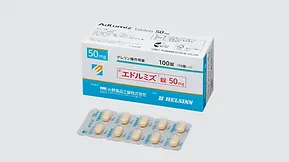 Figure 1
 Figure 2